Collaborative post
In a world where convenience food and takeout options abound, the art of cooking can often seem like a vestigial skill.
Yet, arming the next generation with the knowledge and abilities to prepare their own meals is not only a valuable life skill but also a critical step toward fostering a healthier, happier society.
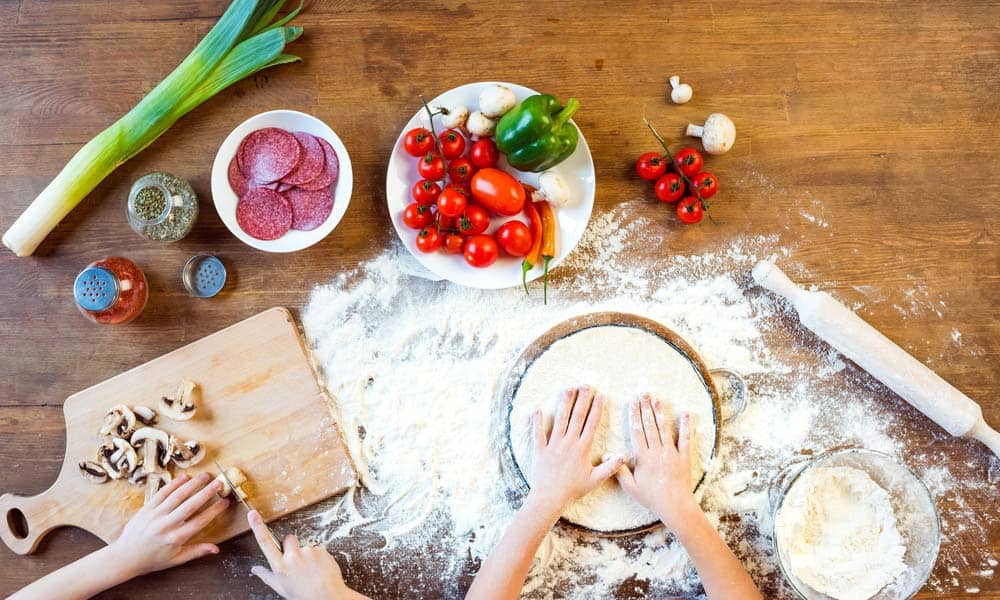
Although you might think you are not up for the task, teaching kids basic cooking techniques can be an empowering experience that instills confidence, nurtures creativity, and promotes a better understanding of nutrition.
Expanded Section: Why Teach Kids to Cook?
Learning to cook is more than just a fun activity for kids; it’s an educational journey that yields long-lasting benefits.
It’s a multifaceted experience that blends skills like planning, measuring, timing, and understanding flavor profiles.
Here we delve into the profound ways that cooking can benefit children—far beyond the obvious advantage of being able to prepare a meal.
Skill Building Beyond the Kitchen
When children engage in cooking, they’re not just learning to feed themselves; they’re absorbing a variety of critical life skills.
Math Skills
- Measuring and Proportion: Ingredients often need to be measured accurately. This is an excellent way for kids to practice fractions and understand proportions.
- Estimation: When children become more confident, they may start estimating quantities, fine-tuning their analytical skills.
Reading and Comprehension
- Recipe Understanding: Each recipe is a set of instructions to be read and understood. This exercise can significantly improve a child’s reading comprehension skills.
- Vocabulary Enhancement: Cooking exposes kids to new words related to food and techniques, thus enriching their vocabulary.
Scientific Understanding
- Edible Chemistry: From caramelization to Maillard reactions, cooking offers practical lessons in chemistry.
- States of Matter: Understanding how water evaporates or how ice melts can bring real-world context to scientific concepts they learn in school.
Building a Healthier Future
The ability to cook has direct implications on one’s health and well-being.
Understanding Nutrition
- Ingredient Awareness: Cooking from scratch means knowing exactly what’s going into your food, making it easier to understand nutrients and avoid additives.
- Healthy Choices: Kids who cook can be more inclined to try various fruits and vegetables, increasing their nutritional intake.
Reducing Fast Food Dependency
- Self-Sufficiency: Knowing how to cook simple meals means kids won’t have to rely on fast food or processed snacks.
- Long-Term Health: Skills learned early can set the stage for a lifetime of healthy eating habits, reducing the risk of obesity and related diseases.
Social and Emotional Benefits
Learning to cook can have a significant impact on a child’s emotional and social development.
Boosting Confidence
- Achievement: The accomplishment of making a meal can be a tremendous confidence booster for a child.
- Problem-Solving: Cooking often involves overcoming challenges like adjusting a recipe or salvaging a dish that’s not going as planned, helping to improve resilience.
Fostering Creativity
- Experimentation: The kitchen serves as a lab for culinary creativity, allowing kids to mix and match flavors, colors, and textures.
- Artistic Expression: From plating to garnishing, cooking offers numerous opportunities for artistic expression.
Through teaching kids to cook, we are equipping them with a comprehensive skill set that contributes to their academic growth, health, and emotional well-being. It’s an investment in their future that pays dividends in the form of a balanced, enriching lifestyle.
Incorporating Cooking Lessons into Everyday Life
The key to fostering a love for cooking in children is integration—making the kitchen a regular playground for culinary adventures rather than a special-occasion classroom. Here’s how to make the process enjoyable and educational without it being overwhelming.
Quick and Simple Recipes
Kickstart the learning experience with easy recipes that not only taste good but also encompass fundamental cooking techniques.
Pancakes from Scratch
- Skills Taught: Focuses on measuring ingredients accurately, mixing batter, and safely using the stovetop.
- Additional Learning: Introduce concepts like the role of baking powder and the ideal consistency of pancake batter.
Become A Pour Over Coffee Master
- Skills Taught: According to Craft Coffee Spot, for older kids, mastering the art of pour-over coffee can be an exercise in meticulous measurement and flavor extraction.
- Additional Learning: Discuss the significance of water temperature, the coarseness of coffee grounds, and the timing of the pour for optimal flavor.
Special Projects for Skill Advancement
Take the cooking lessons a step further with projects that may require a bit more time but yield gratifying results.
Baking Bread
- Skills Taught: This provides a lesson in patience as the dough needs time to rise, along with basic food science concepts.
- Additional Learning: Discuss the yeast fermentation process and why certain ingredients like salt are used in bread-making.
Mocktails
- Skills Taught: Creating non-alcoholic cocktails teaches kids about flavor pairings, the importance of ingredient ratios, and presentation skills.
- Additional Learning: Use this as an opportunity to discuss the basics of mixology, like the role of a base, modifier, and accent in a cocktail.
Age-Appropriate Tools and Techniques
Different ages come with varying skill levels, and it’s important to match the kitchen tasks accordingly.
Younger Kids
- Recipe Complexity: Choose simple recipes with fewer steps and less dangerous equipment.
- Skills Focus: Activities like stirring, pouring, and basic measuring are good starting points.
Older Kids
- Recipe Complexity: These kids can handle more sophisticated recipes and tools.
- Skills Focus: Supervised usage of sharp knives, hot stovetops, and possibly even small kitchen appliances like blenders.
Making Cooking a Family Affair
Incorporate cooking into regular family activities for an enjoyable and collective learning experience.
Family Cook-Offs
- Friendly Competition: Have a family cooking competition where each member prepares a dish, focusing on specific skills or ingredients.
- Teamwork: Form teams within the family for more complicated recipes, emphasizing collaboration and delegation.
Weekly Meal Planning
- Child’s Choice: Allow the child to pick the recipe for at least one family meal per week and assist them in cooking it.
- Grocery Shopping: Make them part of the grocery shopping process, teaching them how to select fresh produce, meats, and pantry staples.
Through these strategies, cooking lessons can seamlessly become a part of your family’s routine, enriching your child’s life skills while strengthening family bonds.
Final Remarks
Cooking is not just an essential life skill; it’s a passport to a more enriching, nutritious, and connected life.
By teaching kids basic cooking techniques, we’re equipping them with the tools to navigate the complexities of adult life with greater ease.
From understanding the science of bread-making to becoming a pour-over coffee master, these skills serve as stepping stones to a lifetime of healthy and fulfilling eating experiences.
Beyond that, cooking as a family fosters stronger bonds and creates lasting memories, making it not just education but truly an edible form of love.