Collaborative post
Remember that feeling? That whoosh of magic when a story grabs you, pulls you in, and suddenly the characters are real? It’s why we loved stories as kids, and it’s something we can easily bring to life for our own children. It’s alarming when kids seem less interested in books and more into screens, but trust me, interactive storytelling can recapture that lost magic.
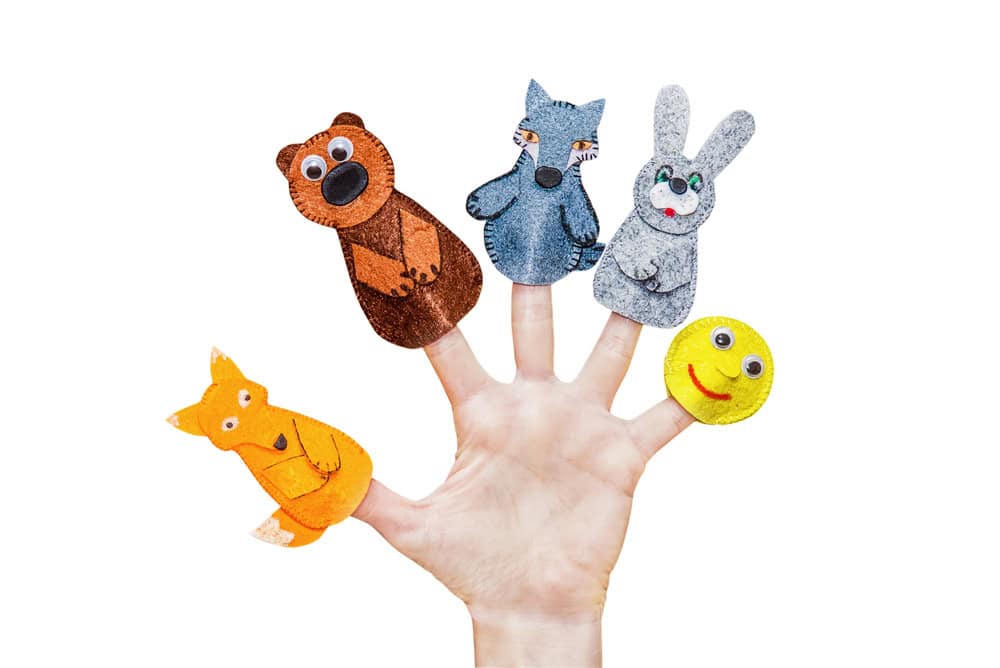
Imagination is like the engine of childhood. It builds creativity, helps with problem-solving, and makes learning fun. And when you add interaction to storytelling? You’re basically hitting the turbo button. It’s not just about listening; it’s about doing. About feeling like you’re right there in the story. And what better way to bring stories to life than with playful characters? If you’re looking for inspiration beyond felt figures, consider exploring charming felt hand puppets. These delightful puppets can add a new dimension to your storytelling adventures, allowing children to actively participate in the narrative and develop their creativity. Imagine the stories they can create with a little felt friend guiding the way!
That’s where felt toys come in. I like to think of them as storytime superheroes. They are the sets, the costumes, and the actors all wrapped up in one soft, colourful package. In this article, we’ll dive into how to use felt to make storytime super engaging, with tips and tricks for making your own felt creations and turning any story into an adventure.
Why Felt Toys Make Storytime Awesome
Using felt toys to tell stories isn’t just fun (though, seriously, it is fun). It’s surprisingly good for kids!
Brains and Felt: A Sensory Experience
Hands-on learning is key. It helps kids understand stories way better than just listening. When they move felt characters around, they’re actively thinking about what’s happening. That means they remember more and get creative. The texture of the felt, the way they can shape it – it all helps them learn new words and ideas. It’s a sensory experience that sticks with them. You see, comprehension is aided because kids can re-arrange the pieces to put the stories in sequential order.
Feelings and Friends: Connecting Through Stories
Stories aren’t just about words; they’re about feelings, too. Felt toys can help kids connect with characters and understand what they’re going through. They can play out different scenarios and explore emotions in a safe way.
I remember one time, my daughter was having a hard time with sharing. We used our felt toys to act out a story about two friends who learned to share their toys. It really helped her understand how the other child felt.
Plus, when kids share storytime with friends or family, it helps them learn to work together and talk to each other. These are important life skills.
Goodbye, Passive Listening! Active Participation
No more zoning out! With felt toys, kids get to be active participants in the story. They aren’t just hearing a tale; they’re helping to create it. This is great for all kinds of learners. Kids who like to touch things will love the feel of the felt, kids who like sounds can make voices for the characters, and kids who like to see things will love the colors and shapes. It’s a win-win-win, my friend.
Making Your Own Felt Storytime Magic
Making your own felt toys is easier than you think, and it’s a great way to make storytime personal. My first attempts were pretty… abstract, let’s say. My “dog” looked more like a lumpy potato, but the kids still loved it!
What You Need: The Essentials
- Felt: Get a bunch of colors. The brighter, the better!
- Scissors: Sharp ones make things easier.
- Glue or thread: Glue is faster, but sewing lasts longer. Fabric glue, Gorilla Glue, or even spray adhesive work a treat to attach paper to felt. I like fabric glue; it’s less messy.
- Velcro or magnets (optional): These are great for making things stick to a felt board.
- Googly eyes, yarn, markers: For adding details and personality.
Let’s Get Started: Step-by-Step
- Cut it out: Start with a simple shape, like a circle or a square. You can also print pictures and laminate them, then stick sandpaper on the back for extra grip.
- Add details: Glue or sew on eyes, hair, clothes – whatever you want!
- Make it move (optional): Cut out separate pieces for arms and legs and attach them with thread or Velcro.
Some Fun Ideas: Inspiration for Your Creations
- Animals: Pigs, bears, wolves – classic fairy tale characters.
- Places: A forest, a castle, the ocean, outer space!
- Things: A magic wand, a treasure chest, a spaceship, a microphone.
Time to Tell Some Stories! Bringing Your Felt Figures to Life
Okay, you’ve got your felt figures. Time to bring them to life!
Retell Your Favorite Stories: Classics Reimagined
Read aloud and use the felt figures to act out the scenes. “The Three Little Pigs” is perfect for this. Let your child move the pigs as the wolf tries to blow their houses down. Get your child to rearrange the pieces to put events in the correct sequence; this aids comprehension and memory.
Make Up New Stories: Unleashing Creativity
Give your child a blank felt board and a pile of characters. Ask, “What happens next?” You’ll be amazed at what they come up with. One time, my son created a story about a cat who flew to the moon and opened a cheese shop!
Fun Activities: Engage and Entertain
- Guess what happens: Stop during the story and ask kids to guess what happens next using the felt props.
- Act it out: Give each child a character and have them act out their scenes.
- Who is it?: Hide a character and give clues for kids to guess who it is.
Great Books for Felt Storytelling
Some stories just work really well with felt. Here are a few to get you started:
- “The Three Little Pigs”: A classic with simple characters.
- “Goldilocks and the Three Bears”: Perfect for acting out scenes.
- “Where the Wild Things Are”: Lots of fun characters to make.
- “Brown Bear, Brown Bear, What Do You See?”: Great for teaching colors and animals.
- “The Very Hungry Caterpillar”: Lots of food items to create.
- “Goodnight Moon”: Simple objects that are easy to make.
Turning Any Book into a Felt Story: A Simple Guide
- Pick the main characters: Who is most important? What scenes are the most exciting?
- Keep it simple: Don’t try to make every detail. Focus on what’s important.
- Think about your child: Choose stories that are right for their age.
The Magic of Felt Storytelling
Using felt toys for storytelling is an amazing way to spark creativity, learn new things, and have fun together. It turns storytime into an adventure where kids get to be the stars of their own stories.
So, give it a try! Add some felt figures to your storytime and see what happens. Try making a simple figure and telling a story. You might just be surprised at how much fun you have! And it’s inclusive! Sensory storytimes can even include fidget toys and movement activities for children with special needs! Websites like Flannel Board Fun also offer resources and kits for creative storytime fun, enhancing early learning experiences.
Oh, and if you make a lumpy potato dog, don’t worry. The kids will love it anyway.