
collaborative post
The Arabian Sea as a Living Route, Not a Backdrop
Dubai is often explained from the ground up. Sand, ambition, speed, height. That explanation skips the surface that mattered first. The Arabian Sea wasn’t scenery. It was movement. Food. Risk. Income. Memory. Boats carried more than goods. They carried habits, language, family roles, expectations.
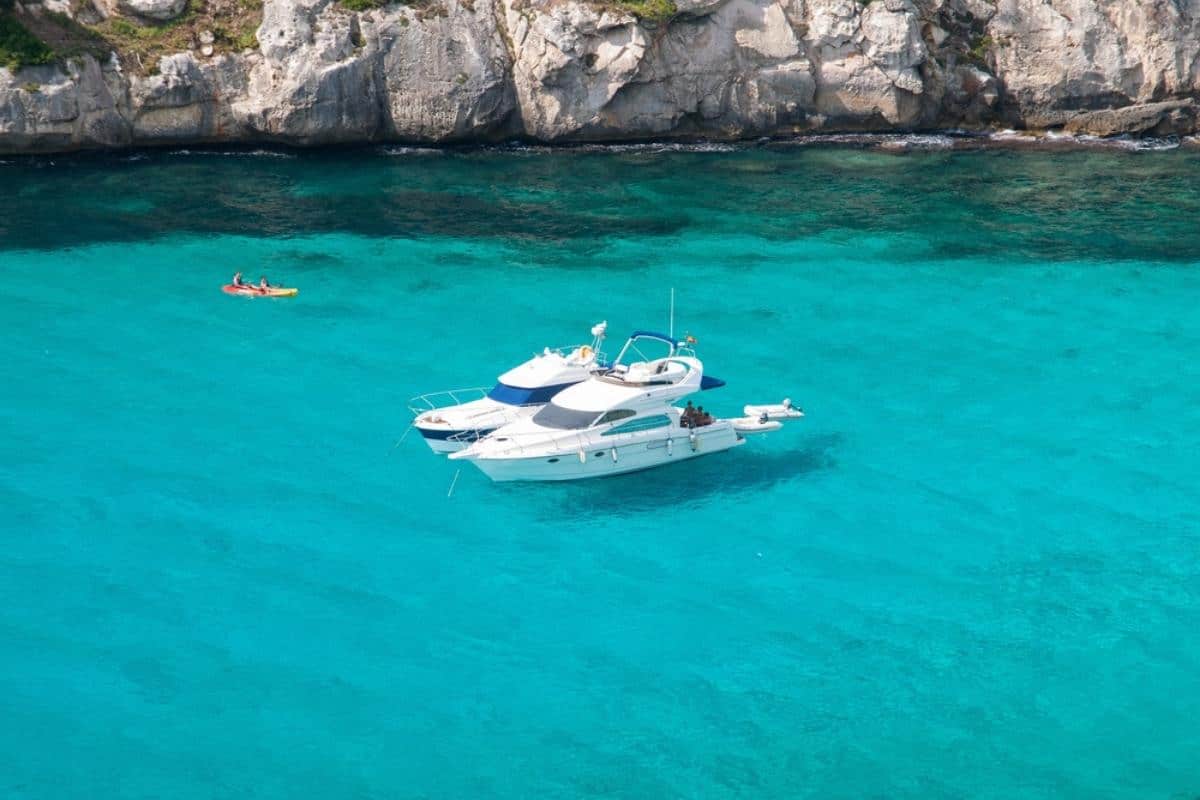
Standing on land, it’s easy to miss that. Offshore, things rearrange themselves. Noise thins out. Shapes flatten. You stop scanning upward and start reading sideways. The city stops selling itself and starts existing. Yachts, in this context, aren’t symbols of excess. They’re slow lenses. Ways to watch without being rushed.
The Arabian Sea and Dubai’s Coastal Identity
How the Sea Shaped Daily Life Before Skyscrapers
Before asphalt, the shoreline was the schedule. Fishing trips defined mornings. Pearl diving set the calendar for entire communities. Men left for weeks. Women managed households alone. Children learned patience early. Boats were shared assets. Repairs happened collectively.
Trade followed predictable sea paths. Wind direction mattered more than politics. Families remembered storms by name. Even now, older residents talk about water first, land second. That order never fully disappeared.
Old Maritime Customs That Still Surface Today
Boat naming still carries meaning. Launch days feel quiet, focused. Crews avoid careless behavior near ports. Certain gestures stay avoided without explanation. Maritime respect isn’t written down. It’s passed sideways, through habit. You notice it when someone breaks it and the mood shifts instantly.
Cultural Travel by Water: Seeing Dubai from Offshore
Why Offshore Views Change Cultural Perception
From the street, Dubai performs confidence. From the sea, it relaxes. Buildings stop competing. Districts separate visually. Mosques regain proportion. Hotels feel less dominant.
Distance edits ego. It gives context. You see how development follows the curve of the coast rather than cutting across it. You feel how much of the city still depends on water access, even now.
Coastal Landmarks Best Understood from the Sea
Jumeirah’s length only makes sense offshore. Port Rashid reads as a hinge between eras. Where Dubai Creek opens into the Arabian Sea, trade history becomes physical. Boats line up differently. Water color changes. Movement slows before widening again.
Yacht Travel as a Modern Cultural Tool
Most tourism pushes you through experiences. Yachts pull you into waiting. Routes stay flexible. Time stretches. Silence becomes a feature instead of a gap.
Cultural understanding often arrives uninvited during downtime. While drifting. While watching crew routines. While listening to water slap the hull. No signage needed.
Practical Side of Yacht Rental in Dubai
What Yacht Rental Actually Means in Dubai
Yachts usually come with a full crew. That’s expected. Navigation, safety, timing—all handled quietly. Visitors focus on observation. Licenses aren’t required. Rules get explained once, clearly. After that, the experience runs smoothly.
Private charters remove friction. No fixed group. No forced commentary. Just movement and choice.
Choosing a Reliable Provider
The boat matters less than the people running it. Clean decks help. Knowledge helps more. Crews who understand routes, tides, and timing quietly shape the experience. Pricing should feel direct. No clever bundles.
That’s where services like CharterClick fit naturally for travelers researching yacht rental Dubai, offering access based on route logic and crew competence rather than surface luxury.
Leisure Routes Along the Arabian Sea Coast
Short Cultural Cruises (1–2 Hours)
These work for orientation. The skyline drifts by slowly. Mosque outlines stay crisp. The transition between creek water and open sea becomes visible. Compact experiences still carry weight when the pace stays honest.
Half-Day Routes with Mixed Focus
Bluewaters Island adds scale. Open water brings airflow. Swimming breaks reset attention. Meals onboard slow conversation. Nobody checks phones much. The sea handles entertainment.
Longer Offshore Experiences
Farther out, the city fades. Fishing becomes symbolic. Lines drop without urgency. Wind patterns start telling stories. Silence grows layered, not empty. You feel distance rather than measure it.
Social Rituals That Belong on the Water
Meals at Sea and Shared Space
Food tastes different offshore. Not better. Just slower. Plates pass hand to hand. No one rushes courses. Conversation wanders, loops back, stops entirely. That pause matters.
Music, Silence, and Movement
Music works selectively. Sometimes it fills space. Sometimes it ruins it. Experienced crews read that balance well. Engines hum steadily. Water does most of the talking.
Cultural Etiquette on Yachts in Dubai
Dress stays relaxed but aware. Swimwear offshore. Cover-ups near docks. Alcohol stays controlled, location-aware. Photography needs restraint. Shorelines aren’t empty sets. Someone’s routine always sits just out of frame.
Weather, Seasons, and Cultural Timing
How Climate Shapes Sea Travel
Heat behaves differently offshore. Breezes soften it. Humidity drops slightly. Light changes fast near sunset. Mornings feel alert. Afternoons loosen. Evenings calm everything down.
Cultural Calendars That Affect the Experience
Ramadan reshapes timing. Days quiet down. Nights open up. National holidays increase movement. Weekends slide across the calendar. Planning with these rhythms changes tone more than route.
Why Yacht Travel Fits Cultural Travelers Better Than It Sounds
Privacy doesn’t block learning. Distance doesn’t erase connection. The sea creates space without removing context. You’re close enough to notice habits. Far enough to reflect without interruption.
Personal Notes and Contradictions
I think many travelers expect spectacle and feel unsettled by stillness instead. Honestly, that discomfort teaches more than guided commentary. Maybe yachts don’t explain culture. Maybe they slow people down enough to meet it halfway. Not everything needs clarity. Some impressions work better unresolved.