Collaborative post
Fire safety signs are everywhere your family goes. You pass them at the library, the soft play centre, and the museum café. Most of us walk straight past without a second glance.
Yet those coloured squares and triangles carry a simple code. A quick look at the fire equipment sign colours gives you the words to explain each one to a curious child. Once you know the pattern, you start spotting it on every outing.
Why Should Parents Care About Fire Safety Signs?
Young children are naturally curious about buildings and rules. Teaching them to read safety signs turns a dull walk into a small game. It also builds a habit that could matter one day.
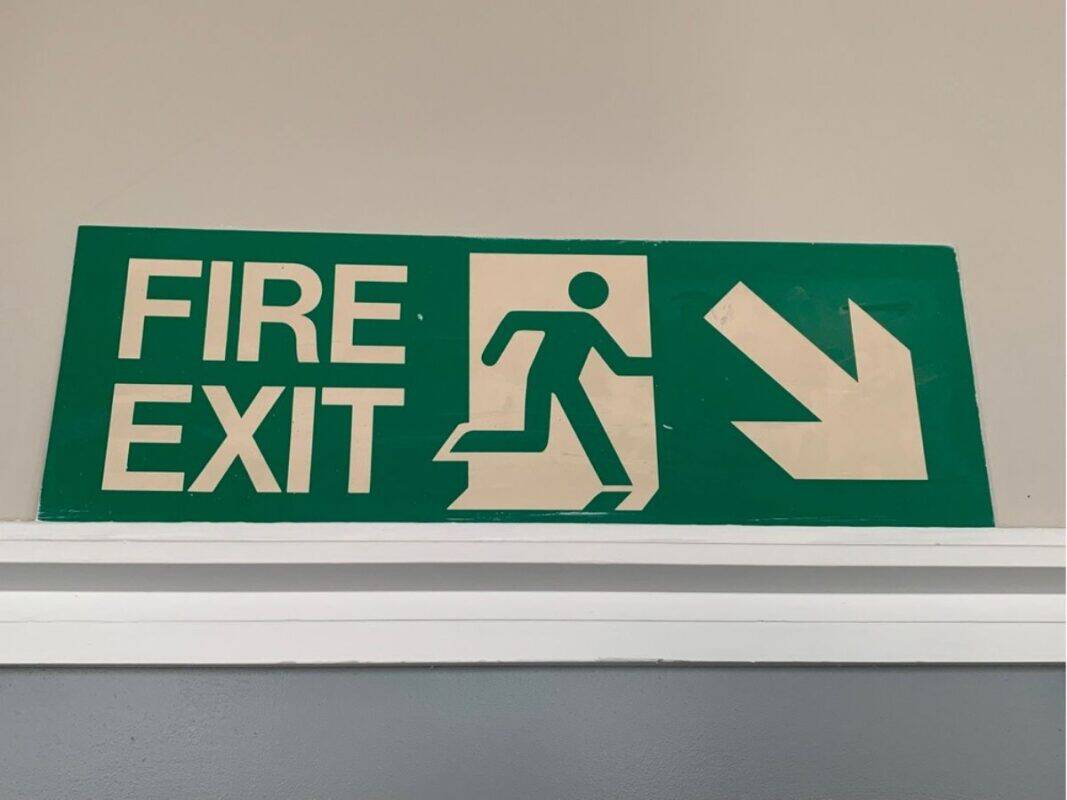
Recognising a green running figure helps a child find the way out. Knowing the red square points to firefighting kit keeps little hands away from it. These are calm lessons, not scary ones.
Confident children stay calmer in a busy venue. They know where to look if a fire alarm sounds during a visit. That small skill can make a real difference.
Family days out are a perfect place to practise. Schools, cafés, and swimming pools all display the same signs. The more your child sees them, the more normal they feel.
What Do the Fire Sign Colours Mean?
UK fire signs follow a strict colour code. Each colour has one job, and the shape adds meaning too. Here is the quick version for parents.
- Red means firefighting equipment. A red sign is a marker for extinguishers, hose reels, alarms, and fire blankets. A red circle with a bar also bans a risky action, such as no smoking.
- Green means safety. Green is the colour of escape routes, fire exits, and assembly points. The white running figure shows the safe way out.
- Blue means you must act. A blue circle is a mandatory instruction, like keep this fire door shut. There is no choice about following it.
- Yellow means warning. A yellow triangle warns of a hazard nearby, such as flammable material. The black border and symbol make it stand out.
Which UK Rules Set the Sign Standard?
The colours are not random. The Health and Safety (Safety Signs and Signals) Regulations 1996 set the rules for workplaces and public buildings. They make sure a green exit sign means the same thing everywhere.
Two British Standards guide the design itself. BS EN ISO 7010 fixes the graphic symbols, so a running figure looks the same across Europe. BS 5499 covers the older format still seen in many buildings.
This consistency is the whole point. A child who learns the code at school reads the same signs at the leisure centre. Adults benefit too, especially in an emergency when there is no time to think.
These rules protect visitors of every age. Staff must place signs where people can see them clearly. Good lighting and height matter as much as the colour.
Where Will Your Family Spot These Signs?
Once you start looking, fire signs appear on almost every trip. Point them out and let your child name the colour. Here are common places to try it.
- Soft play and trampoline parks, where green exit signs mark every door.
- Museums and galleries, with blue fire door notices along the corridors.
- Libraries and schools, where assembly point signs stand in the car park.
- Cafés and restaurants, with red extinguisher signs near the kitchen.
- Train stations and shopping centres, full of escape route arrows.
Even a country family walk passes signs at the visitor centre or car park. Ask your child to find the nearest green sign whenever you enter somewhere new. It is a habit worth building early.
How Can You Teach Young Children to Read Signs?
Start at home with your own fire plan. Cheshire Fire and Rescue Service suggests you plan an escape route that everyone in the house knows. Practise it together so it feels familiar.
Walk the route from each bedroom to the front door. Count the steps together so it sticks. Choose a safe meeting spot outside, like the garden gate.
Good smoke alarms back up the plan. Greater Manchester Fire and Rescue Service recommends a smoke alarm on every level of your home. Test them monthly and replace each unit every 10 years.
Keep the lessons light and short. Praise your child when they spot the right sign. Dial 999 if you ever need the fire service.
What to Remember On Your Next Day Out
- Red points to firefighting kit, so children should leave it alone.
- Green shows the safe way out and the assembly point.
- Blue gives an order you must follow, like keeping a door shut.
- Yellow warns of a hazard close by.
- The 1996 Regulations and standards like BS EN ISO 7010 keep signs consistent.
- A simple spotting game teaches the code without any worry.
Making Signs Part of Family Life
Fire safety signs are a shared language for staying safe. Teaching the colours gives your child a quiet confidence in new places. Next time you head out, see how many they can name.
FAQ
What Do the Four Fire Sign Colours Mean?
Red marks firefighting equipment or a banned action. Green shows escape routes and safe conditions. Blue gives a mandatory instruction, and yellow warns of a hazard.
At What Age Can Children Learn Fire Signs?
Most children can match colours and simple shapes from around age three. Start with the green exit sign, since it is the most useful. Build up to the other colours as they grow.
Why Are UK Fire Signs All the Same Design?
The Health and Safety (Safety Signs and Signals) Regulations 1996 set common rules. Standards such as BS EN ISO 7010 fix the symbols. This means a sign looks the same in every building.
How Can I Practise Fire Signs On a Day Out?
Turn it into a spotting game at each new place. Ask your child to find the nearest green exit sign first. Let them name the colour and guess what it means.