
Collaborative post
A garden that’s brilliant for kids in June can turn into an obstacle course by October. Wet leaves, muddy patches, toys buried under autumn debris — it happens fast, and most of us only notice once someone’s slipped on the grass or lost a favourite ball in the undergrowth.
Keeping a garden usable for kids doesn’t need one big spring clean-up every year. It works better as a handful of small habits spread across the seasons.
Here’s what’s helped us keep our garden a space the girls actually want to play in, no matter the month.
Clear the Ground as the Seasons Change
Every season leaves something behind. Spring brings fresh growth pushing through gaps in paving. Autumn drops leaves and conkers everywhere, and they turn slippery within days. Winter can leave icy patches in shaded corners that stay frozen long after the rest of the garden has thawed.
A quick walk round every few weeks catches most of it. Look for loose paving stones, branches low enough to catch a running child, and anywhere water pools after rain.
Getting into the habit early saves a lot of hassle later. Five minutes on a Sunday evening beats an hour spent sorting a genuinely overgrown corner three months down the line.
Sort the Lawn Without Losing Every Weekend to It
A garden that gets used properly by kids needs a lawn that can keep up. Long, patchy grass hides toys, trips small feet, and makes the whole space look neglected even when everything else is in order.
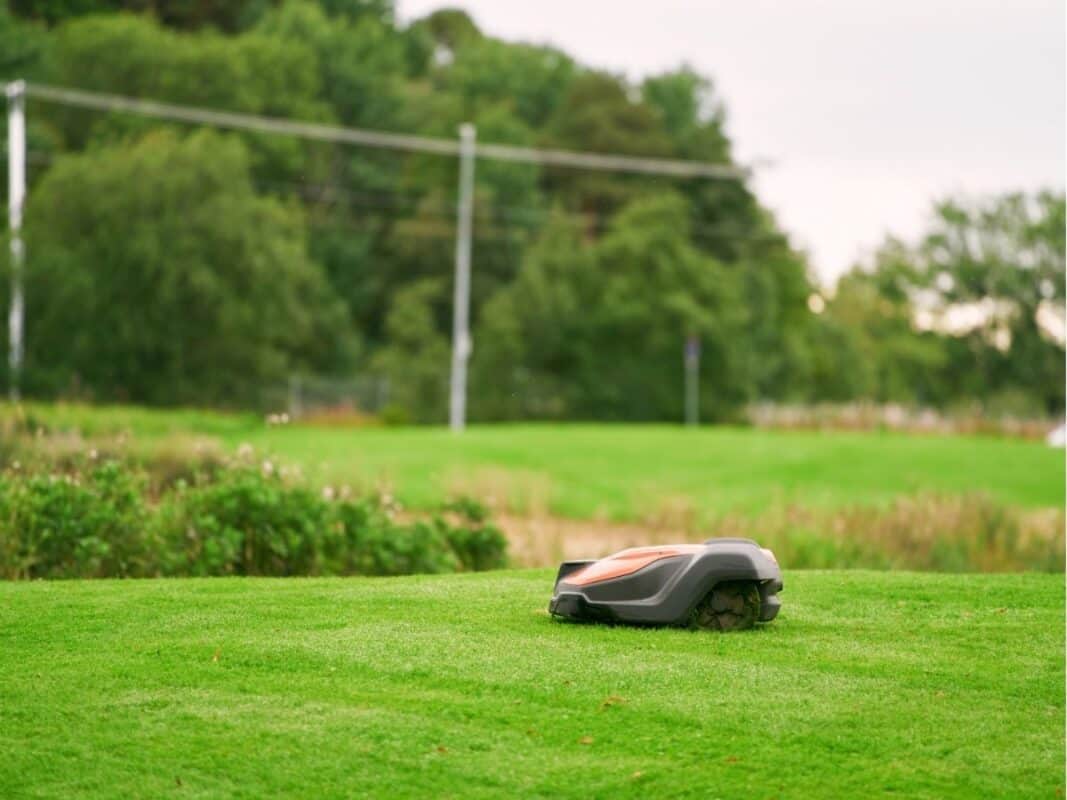
The trouble is that mowing regularly through spring and summer eats into the very weekends you’d rather spend with the kids outside, not behind them. This is where a Segway Navimow robot mower earns its place. It can handle the lawn on a regular schedule, helping to keep the grass short and clear without anyone giving up a Saturday morning to do it.
There’s a practical safety angle too. Short, even grass makes it far easier to spot small toys, stones, or anything else that shouldn’t be underfoot before a child finds it the hard way.
Plan for Growing Kids
A garden that suits a toddler may not suit the same child two years later, so it is worth building in some flexibility rather than designing everything around their current age.
You can make a soft play area near the house work for younger children. As they get more confident, that same space can shift towards ball games, a trampoline, or somewhere to build a den.
Keeping borders and beds slightly further back from the main play area gives room for this without constant redesigning. It also means fewer prized plants get sacrificed to a stray football.
Set Up an All-Weather Space
Kids don’t stop wanting to be outside just because the forecast changes. A garden that only works on sunny days is a garden that sits empty half the year.
A shaded corner helps through the warmer months, whether that’s a parasol, a gazebo, or a tree that’s already doing the job. For wetter stretches, somewhere dry underfoot makes a real difference: decking, gravel, or a covered patch near the back door means muddy grass doesn’t stop play entirely.
We took a similar approach in our other post on How to Winterise a Holiday Cottage Before the Cold Sets In; the same logic applies to a family garden, just on a smaller scale.
Keep an Eye on the Small Stuff
It’s rarely the big jobs that catch people out. The bin left too close to the fence, the hose coiled where someone will trip over it, the tools propped against the shed after a quick job. None of it takes long to sort, but it adds up if it’s left.
Automating what can be automated helps here too. An automatic lawn mower can take one recurring job off the list, freeing up time to deal with the smaller things that still need a person to notice them. Less time spent on maintenance can mean more time spent making sure the space stays safer.
Give Yourself a Spot Too
It’s easy to plan a garden entirely around the kids and forget there needs to be somewhere for the adults as well. A chair near enough to watch but far enough to actually sit down. A spot for a coffee that doesn’t get knocked over the second someone runs past.
Our blog 9 Tips to Settle Into a New Home Without Feeling Overwhelmed also covers the same concept; comfort for the people living there matters just as much as function for everyone else.
A garden works best when it’s kid-ready and still somewhere the adults want to be. Even a small seating area near the play space can turn “watching from the kitchen window” into actually being part of what’s going on outside.