
Collaborative post
Working and travel patterns have changed drastically, and traditional office-based work has become less common. By March 2026, around 40-44% of UK employees work remotely, with 13% working from home fully and 28% working in a hybrid capacity. This growing trend has created an urgent need for effective home workspace solutions that help draw work-life boundaries without the disruption or cost of moving house.
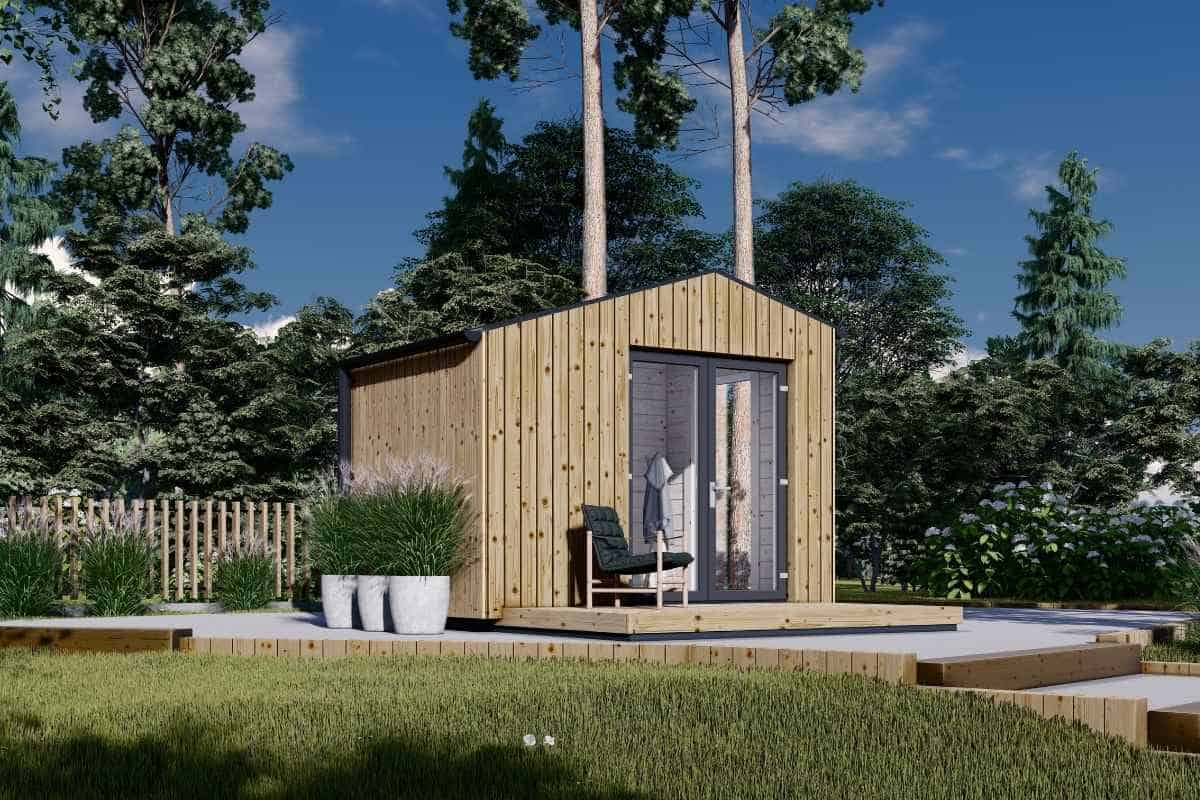
An insulated garden office is a practical garden building that can be used throughout the year. It is designed to be thermally comfortable and energy efficient, allowing you to get on with your work without interruptions.
Unlike basic sheds, these buildings are built with superior insulation and double glazing, and often include water and electricity, making them suitable for everyday use in all weather conditions. In this article, we will explore five essential benefits of having an insulated garden office in modern life.
1. Year-Round Comfort and Usability
The insulated garden office is designed to keep you comfortable in every season, even when UK weather turns extreme. PIR boards or SIP panels provide high levels of insulation that manage the internal temperature of the space to keep it warm in winter and cool in summer. For example, a 3m x 5m garden office would be able to stay at 21°C with an external temperature of 4°C by using underfloor heating for just 90 minutes per day.
How do insulated garden offices achieve year-round comfort?
Insulated garden offices achieve year-round comfort through superior thermal envelopes, utilizing advanced materials and construction techniques.
- High U-values: Premium models can reach U-values as low as 0.16 W/m²K, significantly exceeding standard building regulations and ensuring minimal heat loss.
- Advanced Insulation Materials: Polyisocyanurate (PIR) board insulation provides excellent thermal performance (0.18–0.22 W/m²K) in a slim profile, while Structural Insulated Panels (SIPs) offer up to 60% energy savings compared to typical timber-framed buildings.
- Airtight Construction: Meticulous sealing, low-E double glazing, and thermally broken aluminum frames prevent drafts and cold bridging, maintaining a stable internal climate.
- Reduced Heating/Cooling Needs: The efficient thermal envelope means that minimal heating (e.g., low-wattage electric radiators or infrared panels) is required in winter, and passive cooling strategies are effective in summer.
This level of insulation ensures that the running costs for heating and cooling remain low, typically ranging from £10–£50 per month, making the office a cost-effective daily workspace.
2. Significant Property Value Increase
Installing a high-quality, insulated garden office can significantly enhance your property’s market value and appeal to potential buyers. UK garden office installations can increase property values by 5–15%, depending on the quality and design.
How much value does a garden office add to a property?
A well-built, insulated garden office can add substantial value to a property, often providing a strong return on investment.
- Financial Uplift: On an average UK house price of £312,415, a 5–15% increase translates to a potential uplift of up to £15,600 or more.
- Return on Investment (ROI): A general benchmark suggests a 1.5x return on installation cost, especially for high-quality rooms costing between £12,000–£35,000 in 2026.
- Buyer Appeal: Property experts note that garden rooms offer flexibility for buyers, appealing to professionals seeking dedicated workspace and saving them the time and expense of building one themselves.
- Market Demand: Demand for garden rooms remains strong into 2026, driven by hybrid working and high moving costs, making them a “daily necessity” rather than just a luxury.
High-spec, insulated builds with double glazing, electrics, heating, and data cabling yield the strongest value uplift, often recovering 1.5 times their cost.
3. Immediate Work-Life Separation Without Moving
Having an insulated garden office clearly defines your work and home life, something many people are now permanently experiencing. Maintaining a physical distance enhances mental well-being and productivity. This helps create a unique “3-Zone Separation Framework” that research suggests can increase productivity by 34% compared to working from a spare room.
What is the 3-Zone Separation Framework?
The 3-Zone Separation Framework describes how an insulated garden office establishes distinct psychological and functional zones for enhanced productivity.
- Home Life Zone: The main residence is dedicated to family, relaxation, and personal activities, free from work-related distractions.
- Transition Zone: The garden path leading to the office acts as a physical “commute simulation,” allowing a mental shift from home life to work mode.
- Professional Zone: The garden office itself is the dedicated workspace, optimized for concentration, professional video calls, and uninterrupted tasks.
This framework is particularly beneficial given that 43–48% of professionals would quit if forced fully back to the office, underscoring the value of dedicated home workspaces. The garden office also often falls under permitted development rights, avoiding complex planning applications and speeding up installation.
4. Lower Running Costs Than Traditional Extensions
Insulated garden offices offer a more cost-effective and less disruptive alternative to traditional home extensions or loft conversions. The average cost for a fully insulated, professionally installed garden office in the UK ranges from £12,000 to £35,000 in 2026, significantly less than the £25,000–£60,000+ for a comparable single-storey home extension.
How do garden offices compare in cost and time to extensions?
Garden offices are typically 30–60% cheaper and 80–90% faster to install than comparable home extensions, minimizing both financial outlay and disruption.
- Installation Timeline: Garden offices typically install in 2–10 working days once groundwork is complete, with total timelines from order to finish ranging 2–12 weeks. This contrasts sharply with house extensions, which average 3–6 months.
- Disruption: Installation of a garden office causes minimal disruption to the main home, as work is contained to the garden. Home extensions, conversely, can involve months of internal mess and inconvenience.
- Ongoing Energy Costs: The running costs of new garden offices are low, generally between £10 and £50 per month, due to improved insulation compared to older garden offices. Heating a well-insulated garden office is often more efficient than heating a similar space in an older, drafty home.
- Permitted Development: Garden offices usually do not require planning permission as they are often permitted development.
The total cost for a 3m x 3m insulated garden office, including VAT, averages £21,368, offering an accessible solution for expanding usable space.
5. Flexible Multi-Purpose Space for Future Needs
An insulated garden office provides more flexibility than a dedicated office space over time. Changes in family or work circumstances mean that this adaptability helps safeguard the investment. A British Garden Survey in 2026 found that almost half (44%) of all people use their garden mainly as a relaxing space.
How can a garden office be used for multiple purposes?
A garden office’s robust construction and insulation make it suitable for a wide array of uses, extending its utility far beyond a simple workspace.
- Guest Room: With proper insulation and often plumbing, it can easily convert into a comfortable guest room, offering privacy and amenities.
- Art Studio or Workshop: The detached nature provides a quiet, dedicated space for creative pursuits, free from household interruptions.
- Home Gym: Its solid foundation can support exercise equipment, creating a personal fitness sanctuary that avoids expensive gym memberships.
- Therapy or Consultation Room: It offers a discreet, professional environment for client meetings, enhancing privacy and focus.
- Rental Income: In high-demand areas, a well-equipped garden room can be rented out on platforms like Airbnb, potentially generating £10,000–£15,000 annually with modest occupancy.
This inherent flexibility increases its resale appeal to a broader demographic of buyers, who increasingly seek versatile living solutions.
Is an Insulated Garden Office Right for You?
The rise of remote and hybrid working has changed the demand for home workspaces forever. An insulated garden office could be one of the best solutions for homeowners in the UK who want a dedicated, productive and comfortable working environment without moving away.
The benefits we’ve discussed (year-round comfort, significant increases in property value, immediate separation from work-life, lower running costs than extensions, and multi-purpose use) offer great value together. A well-insulated garden office is a solid investment for homeowners with sufficient garden space and a requirement for a professional workspace, separate from their home. It boosts daily living and productivity, while providing long-term benefits to the property, including adaptation to anticipated future needs.