
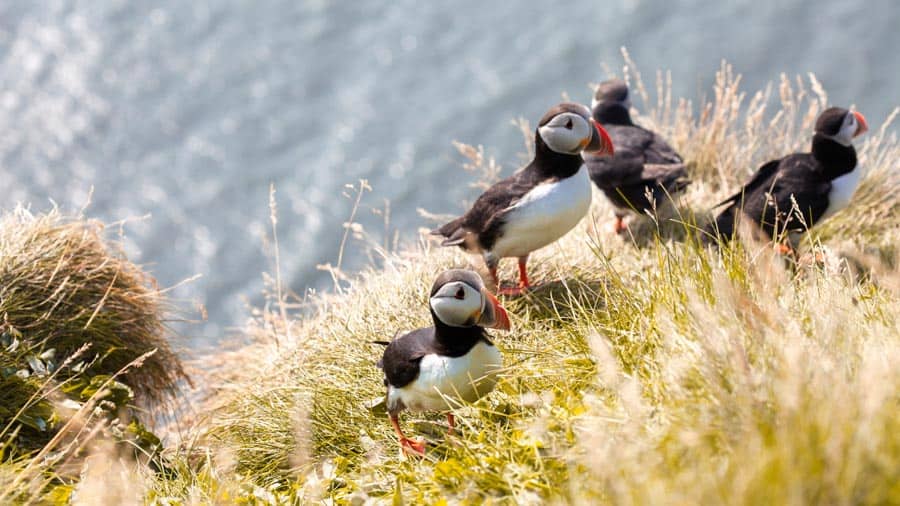
Collaborative post
The UK is home to hundreds of beautiful and unique nature reserves. Each offers a wonderful blend of landscapes, wildlife and trail walks. These protected sites are a joy to visit any time of year, although exploring in the sunshine easily beats a cold and rainy day.
With seasonal flora and fauna to experience, sweeping hills, waterfalls and picturesque landscapes to enjoy, planning a trip out for the family has never been easier. With a comfortable pair of Asics shoes on and a camera in hand, you will find it hard to leave these magical locations.
Blacka Moor, Sheffield
The Blacka Moor, part of the Sheffield and Rotherham Wildlife Trust, is a terrific location. Early morning visitors have a fantastic opportunity to witness the strength and beauty of impressive stags, marking their territory to rival males.
Beyond the domineering wildlife are birches filled with flora that looks like it was plucked straight out of a fairytale. Fly agaric fungi, white-spotted red caps balancing on slender stalks, look like a treat Alice in wonderland would enjoy. But be weary; these are, in fact, poisonous and should be appreciated from a distance.
Woodwalton Fen, Cambridgeshire
Woodwalton, which was bought by Charles Rothschild in 1910, is a rare and isolated part of the Fenland, located in the most westerly point of the East Anglian fens. And while it may take slightly longer to reach, the reward makes it completely worth it.
The fenland is home to exceptional and unique flora and fauna, with 47 endangered species of invertebrates calling it home. Furthermore, it has two extremely rare plants, the fen violet and the fen woodrush. It is the ideal place for nature lovers who want to see foliage only found in a few locations worldwide.
Chapmans Well, Durham
If you are a family of bird watchers, the marshy grassland and ponds of Chapmans Well will deliver an experience you will cherish. It is considered one of the country’s best places for bird watching, and it is home to five species of owl and many other predatory birds.
The landscape is maintained by conservationists who employ the help of Exmoor ponies, which are used to nibble away the grasses, helping to prevent dominant species from overpowering the wildflower meadows.
Derbyshire Dales, Derbyshire
The Derbyshire Dales can be best appreciated in the five neighbouring valleys that make up the nature reserve – Lathkill, Cressbrook, Monk’s, Long and Hay Dales.
All five are beautiful in subtle, unassuming ways, which all change once Spring rolls around. The valleys are transformed into technicoloured blankets, adorning the once green-grey hills of Derbyshire. In some places, thousands of wild purple orchids can be viewed, creating a mesmerising purple haze.
Smardale Gill, Cumbria
This relatively unknown limestone landscape became part of the Dales in 2016 after a boundary extension and oozes the characteristics of a time long gone. Sheep farming is the main activity of these parts and keeps the uplands open.
Tiny villages and hamlets are situated in the more sheltered areas, allowing wildlife to prosper without interference. Wild birds, mammals, insects, aquatic species and a plethora of floral wonders come together to highlight this natural wonder.
Lindisfarne, Northumberland
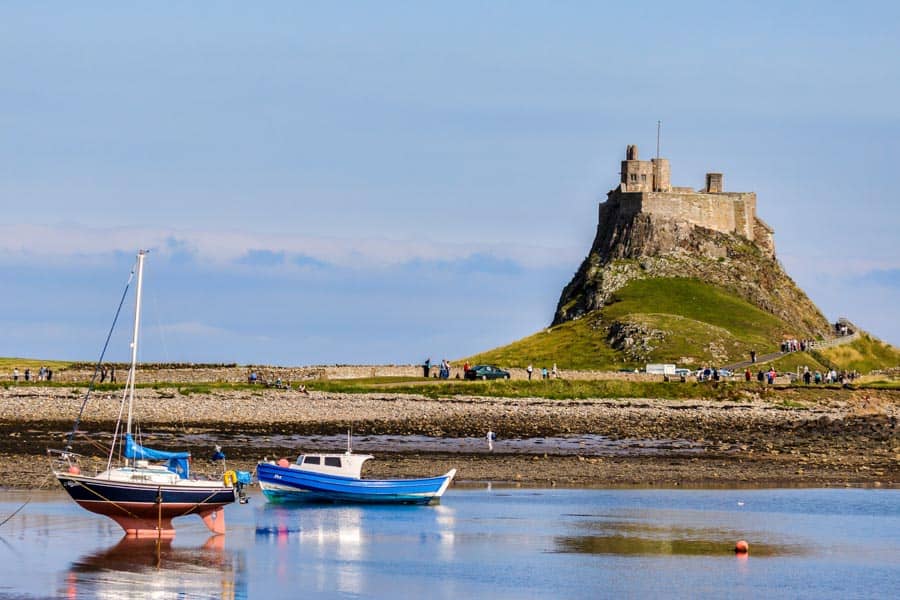
The area of Lindisfarne takes a large chunk of the North Sea mudflats and marsh, with Holy Island located at the heart of the site. The place constantly changes with the tides, offering an exciting and adventurous location to explore.
While it may be cut off by the sea for most of the day, during low tide, mud becomes exposed, and a feeding ground for geese, ducks and other passing birds opens. History loves can indulge in the rich past of Cuthbert’s Monastery, located on the Island, built by monks after 687, later destroyed by Vikings and then re-established during the Middle Ages.
Beinn Eighe NNR, Kinlochewe, Ross-shire – Scotland
Beinn Eighe was named Britain’s first NNR in 1951 and is still considered the best location to receive this title to this day. The drama of scenery is unmatched, with the main attraction being ancient pinewood, with Scots pine being close to four centuries old. You will also be able to see the stunning Lock Maree, ridges and rugged peaks.
If you are after traditional Highland wildlife, like red deer, golden eagles, Scottish crossbills and, for a select lucky few, pine martens, you will be living a dream in this magical place. For insect lovers, golden-ringed dragonflies can be viewed during high summer, while a collection of impressive insect species can be seen year-round.
Skomer, Pembrokeshire – Wales
Supported and protected by the Wildlife Trust of South and West Wales, the small island of Skomer, located off the coast of Pembrokeshire, plays host to an array of wildlife, both on land and underwater, which use the various bays, inlets and waters to shelter from the weather.
Skomer is open to visitors between April 1st and September 30th due to weather constraints during the colder months of the year. It is a popular destination for families, photographers and wildlife enthusiasts.