
Collaborative post
Children can only really learn to appreciate wildlife when they see it up close, in the real world. There’s only so much insight you can glean from looking at pictures in a book, or even real animals in a controlled environment, like a zoo.
Fortunately, it’s possible to bring wild animals into your garden for your children to enjoy every time they step outdoors. By shaping your garden in the right way, you’ll be able to create exactly the required environment and help your children to leave their screens behind for a few moments each day.
Small Changes, Big Rewards
In many cases, it’s possible to bring more animals into your garden space by making just a few simple changes. A little bowl of water can act as a birdbath, even if you don’t have the budget for a large, ornate one. The introduction of a few choice wildflowers can provide a reason for bees and other insects to visit and thereby keep the population of small pests, like aphids, under control.
Once you’ve made these changes, you might then encourage your children to look out for new visitors to the space. It might be that they’re able to spot those visitors before you do!
Gardening Together
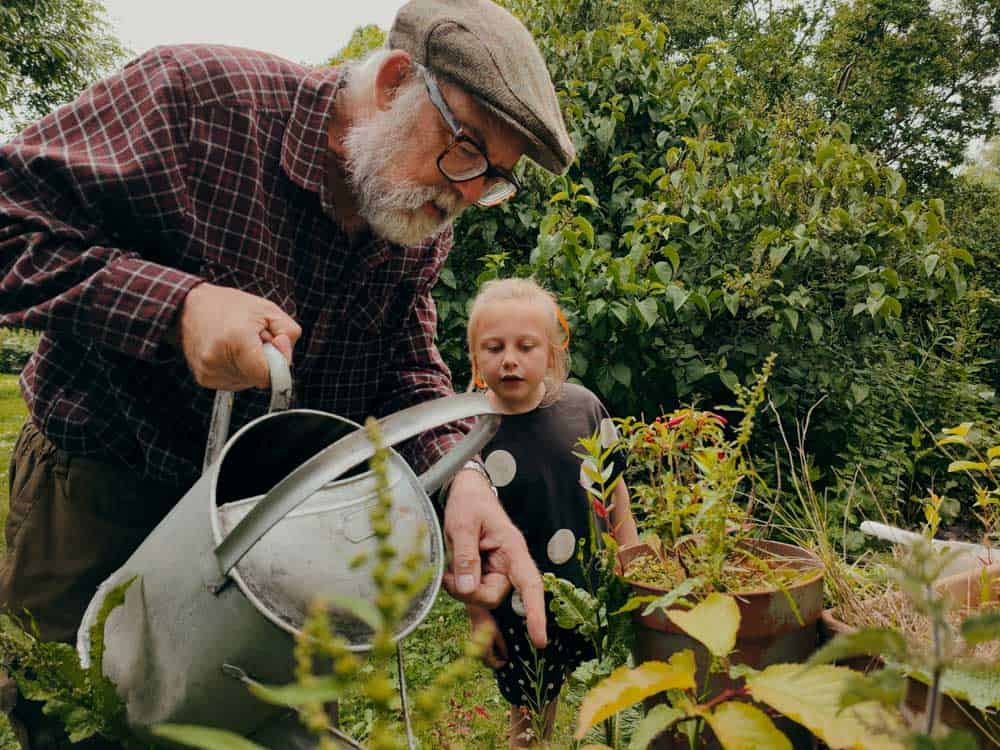
When you encourage your children to contribute to the garden, it’s only natural that they’ll feel more invested in it. At the same time, they’ll pick up valuable skills that will help them to feel comfortable with creating their own gardens further down the line.
Children of every age might delight in getting down to ground level and getting their hands dirty. Watering, digging, raking, and planting can all be great fun. During winter, you might shift your focus toward preparing the garden for the coming new year. But you might also extend your growing season with the help of the right polytunnel greenhouse. This will allow you to keep growing, even as the weather begins to turn frosty.
Creating a Haven for All Seasons
What works for attracting wildlife might depend on what time of year it is. For example, during autumn, you might allow hedgehogs, beetles, and other guests to make their homes in a pile of fallen leaves or a pile of logs. This provides an opportunity to learn a lesson, too: different creatures benefit from different kinds of environments. If you want them to feel at home, you’ll need to provide that environment throughout the year – not just when the weather’s sunny.
Creating a wildlife-friendly garden is something that’s always worth doing – even when the weather is less than ideal. By encouraging your children to help you put your garden together, you can create lasting memories with them and set them up with skills they’ll use well into adulthood.