
Collaborative post
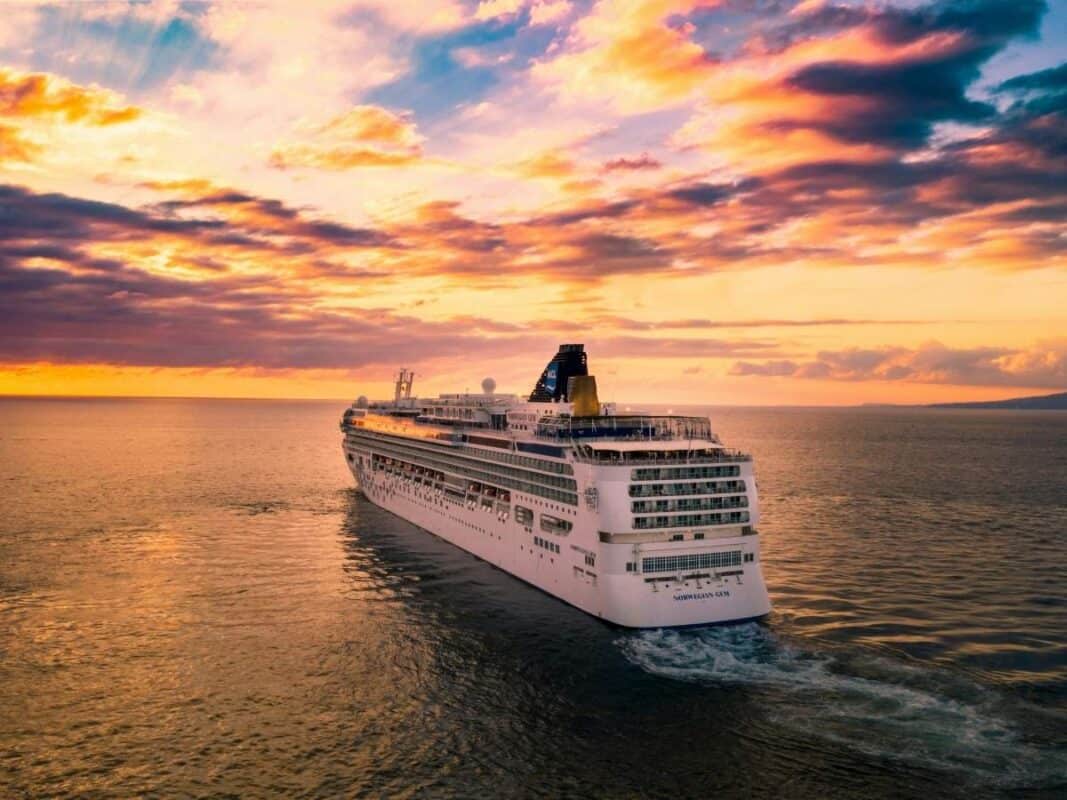
Traveling with children requires more than just picking pretty destinations, it requires pacing. That’s why family cruises often provide the perfect rhythm for family holidays: alternating exciting port days with quieter sea days to help everyone recharge.
Why Itineraries with Built-In Rest Days Matter
Routes through the Mediterranean or Northern Europe typically follow a familiar pattern:
Port day → Sea day → Port day → Sea day, and so on. That structure gives kids, and grown-ups, a predictable rhythm: adventure followed by rest, sightseeing followed by space to process what they’ve seen.
This pattern suits families brilliantly. When the ship sails, luggage stays put. Kids can nap, play quietly, or watch the sea glide past, without the rush of packing or navigating a new hotel, while parents get moments to breathe too.
Mediterranean or Nordic? Family Goals for Every Journey
A Mediterranean itinerary might include stops like Barcelona, Naples, Mykonos, and Santorini, interspersed with sea days to break up sightseeing, and let everyone swim, rest, or just enjoy the view.
On the other hand, a Northern Europe route might bring majestic fjords and historic Baltic towns like those in Scandinavia. These quieter ports offer natural scenery and local charm, without overwhelming crowds. The slower pace of Northern Europe routes is often noted as easier for families, since destinations are spaced, and offer more built-in recovery time.
How to Enjoy Port Days Without Overstimulating
Port days can be full-on for children: exciting but exhausting. To keep things smooth:
- Choose one key stop per day rather than trying to rush through multiple attractions.
- Combine a short walking tour or beach break with window-shopping at a local market.
- Return to the ship for an afternoon rest or quiet playtime before dinner.
Sample 7-Night Family Cruise Rhythm
| Day | Destination | Family-Friendly Activity |
| Day 1 | Embark (Southampton) | Explore onboard, settle in, deck play |
| Day 2 | Sea Day | Pool games, reading, craft hour |
| Day 3 | Barcelona | Beach morning, family tapas dinner |
| Day 4 | Sea Day | Nap time, seaside sketching, horizon watch |
| Day 5 | Santorini | Lighthouse walk, ice cream, local play |
| Day 6 | Sea Day | Deck picnic, star-gazing, calm conversation |
| Day 7 | Naples | Pizza shared with kids, stroll in Piazza |
| Day 8 | Return to UK | Disembark rested and happy |
Why This Balance Works
- It prevents sensory overload: children rarely stay excited eight hours straight.
- It encourages deeper engagement: kids can actually remember what they’ve seen.
- It offers predictable downtime: making for smoother transitions when disembarking or embarking each day.
Planning a Family Cruise with Pacing in Mind
- Look for 7–10 night itineraries with regularly spaced sea days.
- Choose ports that offer both culture and calm, rather than several rushed sightseeing spots.
- Pack light, with familiar comforts. Children often feel more at ease with known snacks, favourite toys, or a reading nook.
- Keep sea days flexible. Walk the deck, journal, play simple games, or just enjoy being together.
Odysia cruises work to alternate discovery with rest, so families get to travel without exhaustion. Kids stay engaged, parents stay relaxed, and the whole group travels as a smoother team, bookending each destination with enough quiet space to make it memorable.