
collaborative post
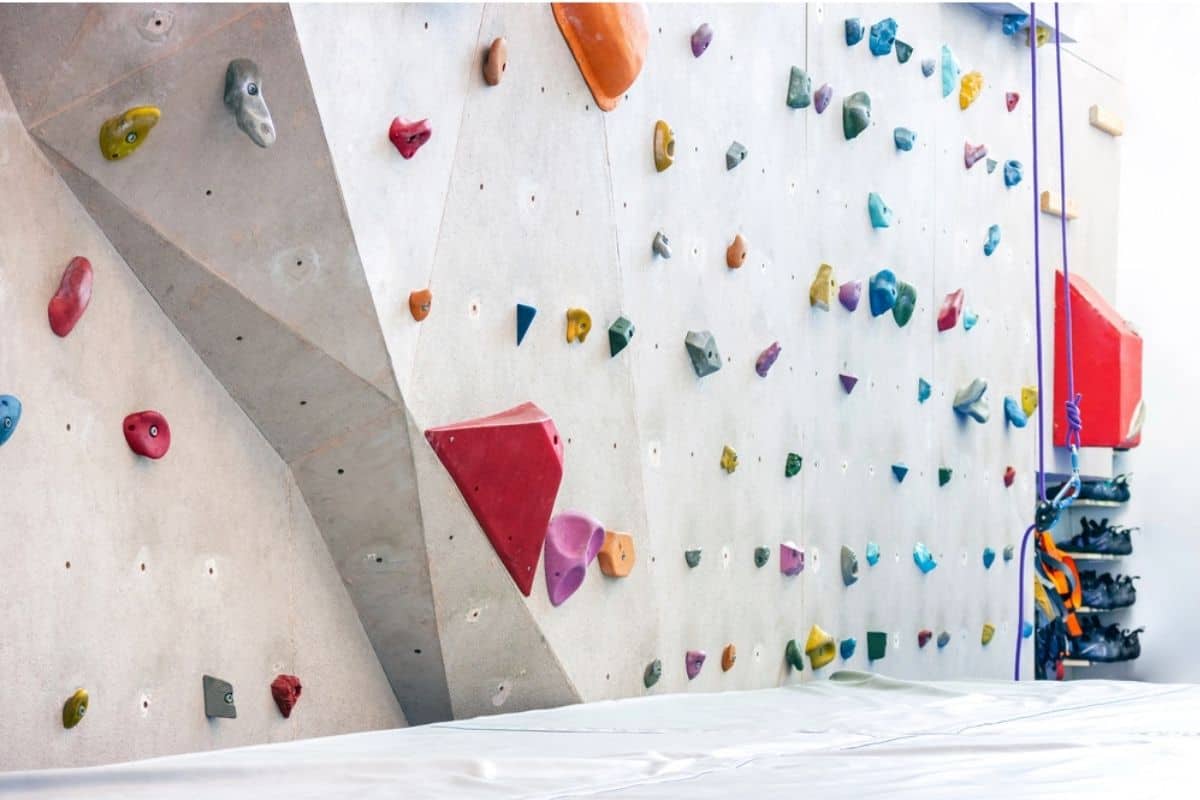
Indoor climbing has quietly become one of the most accessible and rewarding ways to stay active, regardless of age or ability. Whether you’re drawn to bouldering (tackling lower walls without ropes), top-rope climbing (ascending taller walls while connected to a rope managed by a partner), or using auto-belay systems (mechanical devices that handle your descent independently), climbing centres offer a genuinely varied environment that works just as well for first-timers as it does for seasoned participants. This article draws on practical climbing experience and guidance from qualified instructors to explore why more people should seriously consider giving it a go.
More Than Just a Workout
Dedicated climbing facilities have spread well beyond city centres, and many towns and suburban areas across the UK now have one within easy reach. A climbing centre in walton on thames, for example, shows how these venues have planted themselves in accessible, community-facing locations rather than remaining the preserve of specialist athletes. That broader availability matters, because indoor climbing delivers benefits that tend to surprise people who arrive expecting little more than a novel way to break a sweat.
For a start, it’s a genuine full-body workout. Climbing recruits the forearms and grip, the back and shoulders for pulling, the core for stability, and the legs for pushing and balance. What sets it apart from most gym-based exercise, though, is the problem-solving it demands: every route or “problem” on the wall is a distinct physical puzzle, which keeps sessions mentally engaging in a way that a treadmill simply cannot match. Sports science research consistently points to the value of functional, bodyweight movement for building the kind of strength that actually carries over into everyday life.
The mental benefits are just as compelling. Reading a route before you attempt it sharpens focus and planning skills. Working through the initial discomfort of height or uncertainty — in a controlled, well-supervised setting — builds real self-confidence and resilience. Think of the typical adult beginner: someone who arrives convinced they don’t have the upper-body strength to make any progress, only to finish their first session genuinely surprised by what they managed. That shift in self-perception is one of climbing’s most consistent rewards.
Safety, Accessibility, and Who Can Climb
Reputable climbing centres take safety seriously, and it shows. Standard practice includes induction sessions led by trained staff, padded flooring throughout bouldering areas, regular equipment inspections, and clearly graded routes so beginners always have somewhere appropriate to start. The British Mountaineering Council and equivalent bodies provide safety frameworks that well-run centres follow, which means the perceived risk of climbing is generally far greater than the actual risk when proper procedures are in place.
The sport is also more inclusive than many people assume:
- Children can join supervised sessions or school group visits from a young age.
- Adults at any fitness level can start on easier routes and progress at their own pace.
- Those seeking low-impact but strength-building activity often find it an ideal fit.
Anyone with pre-existing medical conditions should speak to a healthcare professional before starting, and following each centre’s specific guidance on equipment and technique remains important throughout.
Community, Confidence, and Getting Started
One of climbing’s most underappreciated qualities is its social dimension. Climbers naturally encourage each other, swap tips on tricky routes, and make a point of celebrating small victories. This supportive culture — backed by research on social support and exercise adherence — helps people stick with the habit far more effectively than solitary training tends to.
For a first visit, expect a safety briefing, shoe hire, and a straightforward introduction to basic movement. Comfortable, flexible clothing and a pair of hired shoes are all you need to begin, which keeps the upfront investment refreshingly low. Starting with one or two sessions a week gives your strength and skin time to adapt without risking overuse injuries.
Bringing Indoor Climbing Into Your Life
Indoor climbing offers a rare combination of physical challenge, mental engagement, and genuine community — one that’s accessible to children, adults, and older participants alike when approached sensibly. It sits comfortably alongside other activities like walking, cycling, or yoga, and because it tends to be far more enjoyable than repetitive exercise, maintaining consistency over the long term comes naturally.
Indoor climbing can be a sustainable, enjoyable way to build strength, confidence, and community at any stage of life. The best first step is simply to book a beginner session at a reputable local centre, have a conversation with the instructors about any concerns, and let the wall take care of the rest.