

Collaborative post
To choose bathroom furniture for durability and style, you should prioritise moisture-resistant 18mm MDF or marine-grade plywood carcasses to prevent warping in humid environments. For a long-lasting style, opt for “living room” aesthetics such as fluted walnut finishes, earthy terracotta tones, and floating designs that open up floor space. High-end hardware in brushed brass or bronze is essential, as these warm metals resist water spots better than chrome and align with the shift toward organic, spa-like sanctuaries.
Whether you are looking for a wall hung vanity unit for a cloakroom or a statement fluted bathroom vanity unit for a master suite, here is how to balance long-term durability with style when choosing bathroom furniture according to the latest trends.
The Shift Towards Bathroom Furniture Crafted for Wellness, Not Just Utility
The bathroom is no longer just a room for utility; it is a wellness retreat. This shift means that the furniture we choose must work harder than ever. It needs to survive the “British bathroom climate”, high humidity and constant splashes while looking as sophisticated as a piece of furniture you’d find in a luxury lounge.
1) Start by Choosing the Right Build Quality (Not Just the Colour)
Homeowners often make a mistake by prioritising the external colour of the furniture more than other aspects. In a damp environment, what’s inside the cabinet matters most.
Look for units built with 18mm thick moisture-resistant MDF (Medium Density Fibreboard). Many budget units use 12mm or 15mm boards, which are prone to “blowing” (swelling) at the edges. Ranges like the Livora or Avenza at Royal Bathrooms use high-density 18mm carcasses specifically to prevent this. You should ensure the bathroom vanity unit has high-quality foil-wrapped or lacquered finishes. This creates a seamless, waterproof skin over the wood. For vanities with countertop basins, consider sintered stone or Carrara marble-effect worktops. Unlike wood tops, these are non-porous and virtually impossible to stain or water-damage.
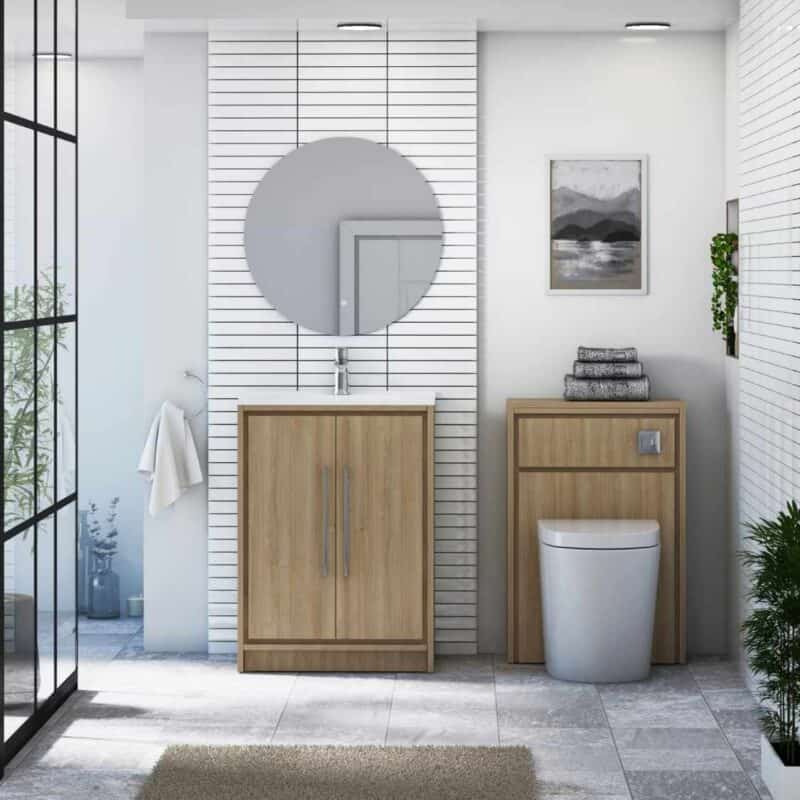
2) Style Trend: The “Lounge-ification” of the Bathroom
New trends indicate that we stop treating bathrooms like clinical labs. Furniture is becoming more furniture-like. We are seeing a huge return to vanities with tapered legs. This mid-century modern look makes the unit feel like a bespoke sideboard rather than a plumbing fixture. Texture is the buzzword for future design trends. Fluted vanity fronts (vertical grooves) add a tactile, architectural layer to the room. This style, found in the Evora range, creates beautiful shadows that make the bathroom feel expensive and curated. Sharp, aggressive corners that were in use for many years are out. Soft, pill-shaped units are in. They improve the “flow” of the room and feel much safer in tight spaces.
3) Floating or Floor-Standing? Choose What Fits Your Bathroom and Lifestyle
How you mount your furniture affects both the look and the maintenance of the room.
Wall hung vanity units are the ultimate “airy” look. It exposes the floor, making small bathrooms feel twice as large. Because the unit doesn’t touch the floor, it’s also protected from any standing water during cleaning.
Floor-standing vanity unitsprovide the most storage and are easier to install (no reinforced walls needed). In the new year, the trend is to choose floor-standing units with a recessed plinth or decorative legs to keep them looking light and modern.
4) The New Bathroom Colour Palette: Why Cool Grey Is Fading Out
If you want your bathroom to stay stylish through the late 2020s, it’s time to embrace warmth. Replace cold greys with taupe, greige, and mushroom. These shades feel grounding and “quietly luxurious. Deep Moss Green, Terracotta Clay, and Obsidianback are the standout choices for the next few years. These colours pair perfectly with natural oak and walnut woodgrains to create a “nature-inspired space. Current trends indicate that the finishes that have a real look of wood, such as walnut and natural oak, are trending in the market. These bring a natural, loving warmth that balances out the coldness of the ceramic and stone.
5) Don’t Ignore Handles and Hinges: Hardware Is Where Furniture Fails First
The handles and hinges are the “moving parts” that often fail first. Brushed brass and aged bronze are the top hardware picks. Not only do they look more modern, but brushed finishes are also far better at hiding fingerprints and dried water spots than high-shine chrome. Always ensure your furniture has soft-close hinges and drawer runners. This prevents the constant jarring and slamming that can weaken the joints of your furniture over time.
Summing It Up
Choosing bathroom furniture today is about moving away from the “disposable” and toward the artisanal. By selecting high-density moisture-resistant materials and embracing the move toward fluted textures, warm woodgrains, and earthy tones, you create a space that feels intentional.