
Collaborative post
It’s great to take your kids outdoors and really let them enjoy what nature has to offer, but you need to go further if they’re going to be true custodians of the planet – which has to be the ultimate goal, after all. As well as instilling a real love of the natural world, it’s wonderful to be able to teach them how to take care of it, and the good news is there are many different ways that can be done, all of which you can easily incorporate into your everyday life. With that in mind, here are some of the things you can do to teach your children about being eco-friendly and leave the planet in good hands. Read on to find out more.
Waste Reduction
One easy thing you can do when it comes to teaching your children about being eco-friendly is to give them as much guidance and information as possible about reducing how much waste they make. You can start by teaching them about the three Rs: reduce, reuse, and recycle. If they can put these ideas to good use, they’ll instantly be helping the planet and being more eco-friendly.
When it comes to reducing, you can show them what you mean by only buying items with little to no packaging when you’re grocery shopping (and explaining what you’re doing and why), and picking reusable items rather than disposable ones. For reuse, you can show them how to repurpose items, like old jars, clothes, or cardboard boxes for different things, rather than throwing them away. Then there’s recycling; set up a recycling station at home and involve the children when it comes to sorting things into the different bins – it will soon become a habit, and they’ll do it everywhere they go, including their own homes when they get older.
Energy Conservation
Saving energy as often as possible is a crucial part of being eco-friendly and taking care of the planet, so it’s clearly something you’ll want to teach your children about, and it’s so easy to do around the home that it could be you’re doing it already – at least in part – without even realising it.
Some ways to conserve energy that you can easily teach your children include making sure they turn the lights off when they’re the last to leave a room (and only switching them on if it’s really necessary; using as much natural light as possible is a much better plan), as well as unplugging all their devices when they’re not in use rather than just leaving everything on standby.
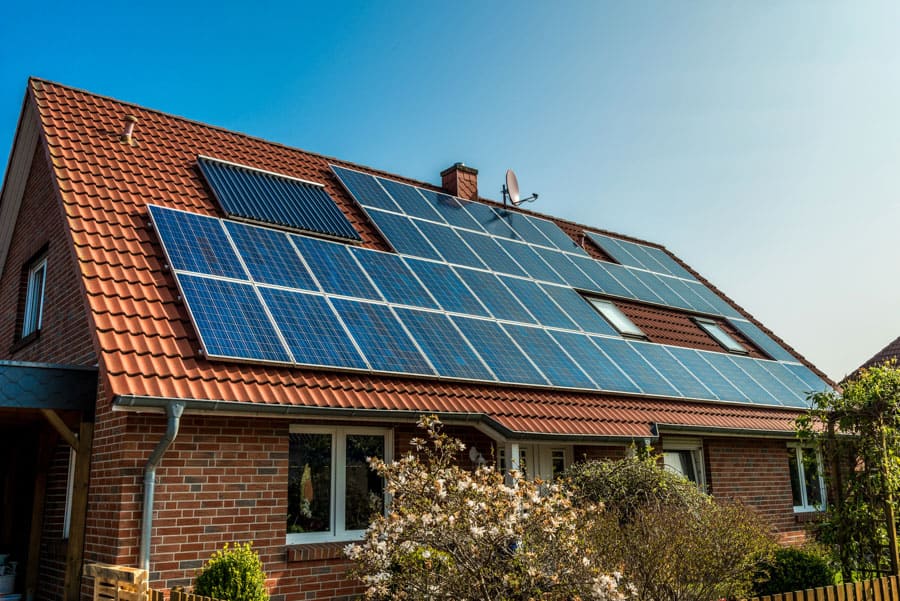
Plus, you can lead by example and put measures in place to help save energy that they can copy when they’re older and need to make those kinds of decisions for themselves. A great example would be solar panels for your home. You can talk to your kids about why you’ve chosen to have them installed and what benefits they have for the planet (as well as for your budget), and then get them involved with the process as much as possible, by allowing them to watch the panels being installed and getting them to come up with questions to ask the installers. In this way, they’ll have a much better understanding of how solar panels and natural energy work, and they’ll take that knowledge with them into adulthood, ensuring the planet stays protected as much as possible.
Save Water
It’s so easy to forget that water is a finite resource when you can just turn on the tap and out it flows, but that’s not a good mindset to have, and it’s definitely not a good mindset for your children to have, which is why it’s vital to teach them about water conservation if you want them to be more eco-friendly.
Again, there are a few different ways you can give these lessons, but some of the most practical ones include reducing the time everyone has in the shower. Even if you only reduce the time by a minute to start with, that’s a lot of water saved over the month, and if you can reduce it more than that and teach your children how to wash quickly (but still properly – hygiene is always important, even if you are trying to save water), you’ll be setting them up well for the future.
You can also get them to look out for leaks around the home, like dripping taps, for example. Make it into a game so they have fun watching out for these things, and ensure they come to you when they see one. You can reward them if you want to (perhaps a sweet or extra pocket money or some more screentime – what you prefer), but the most important thing is teaching them what to do. If you can fix the leak yourself, let them see you do it, and if you can’t, let them know you need some extra help. In either case, it’s a good lesson for the future.