
Collaborative post
Some purchases announce themselves. The boiler breaks, so you buy a boiler. A garden gym is different. The need creeps up quietly, usually disguised as a series of small frustrations that never quite feel big enough to act on.
Missed sessions. A cancelled membership. A set of dumbbells living behind the sofa. On their own, none of these means much. Together, they tell a story. Here is how to read the signs.
You Pay for a Gym You Barely Visit
Start with the direct debit. The average gym membership in the UK costs hundreds of pounds a year, and industry surveys regularly find that a large share of members go less than once a week. Some never go at all.
The reasons are familiar. The gym is a drive away. Peak hours are packed. By the time you have battled the traffic, found a parking space and waited for the squat rack, an hour-long workout has swallowed half the evening. For anyone juggling work and family, that maths stops adding up fast.
If you are paying for access you rarely use, the problem is not motivation. It is friction. And the fix is not another January restart. It is removing the journey altogether.
Your Living Room Has Become a Part-Time Gym
The second sign is easy to spot. Look around the house.
A yoga mat rolled up beside the TV. Kettlebells in the hallway. A resistance band hanging off a door handle. An exercise bike that doubles as a clothes rail. Home training clearly appeals to you, but the house was never designed for it, so equipment migrates into living space and workouts depend on whoever else wants the room.
Training in a shared space also caps what you can do. Jumping, dropping weights and early morning sessions all become negotiations with the people above, below or next to you. The intent is there. The space is not.
The Signs in Black and White
A quick gut check. If three or more of these ring true, you are already halfway to a decision.
- You have cancelled or considered cancelling a gym membership in the last year
- Your workouts get skipped when the day gets busy, not when you are tired
- Equipment is stored in rooms meant for other things
- You train less in winter because of dark evenings and cold garages
- More than one person in the house would use a dedicated space
- You keep saying you would train more if it were easier
None of these is about willpower. Every one of them is about access.
Why the Garden Solves It
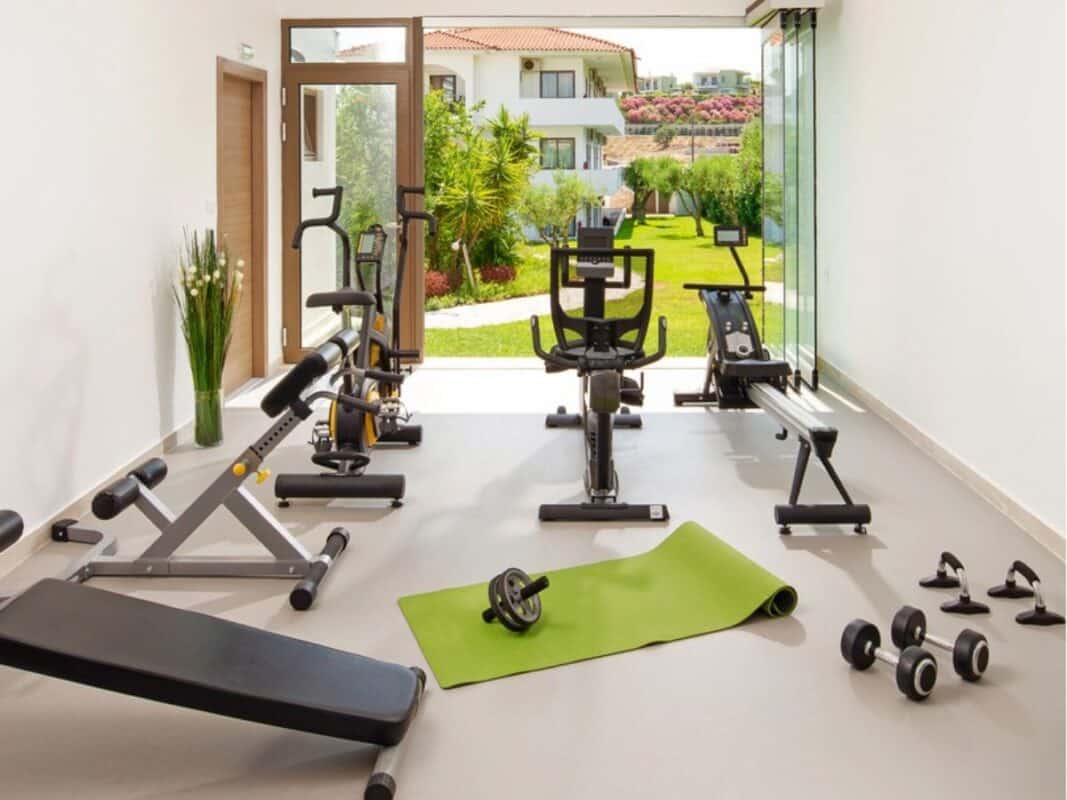
This is where the garden earns its keep. A purpose-built gym at the end of it removes almost every barrier in one go. No commute, no queue for equipment, no negotiating with the living room.
Unlike a garage conversion, a proper build is warm in January and comfortable in July, with the power, lighting and flooring that training actually demands. It is a big part of why an essex garden gym room has become such a popular project for households across the county, from Chelmsford to Colchester and everywhere in between.
There is a consistency effect too. Research on habit formation keeps coming back to the same point. The easier a behaviour is to start, the more likely it is to stick. A thirty-second walk down the garden beats a twenty-minute drive every single time, especially on the days when motivation is low. Those are the days that decide whether training becomes a routine or a memory.
Space That Earns Its Place All Year
A common worry is whether a gym is too narrow a use for a garden building. In practice, the opposite tends to happen. Households that add one find it becomes the hardest working room they own.
Weights in the morning, yoga in the evening, a quiet space for a teenager to train, somewhere to stretch after a run. Many people pair the gym with other uses over time, which is one reason essex garden rooms as a whole have shifted from novelty to normality over the past few years. A well-built space adapts as life does.
It also gives the garden itself a new role. Instead of being somewhere you look at from the kitchen window for ten months of the year, it becomes part of your daily routine in every season.
Making the Call
So how do you know? Strip it back to three questions. Do you want to train more than you currently do? Is the main thing stopping you the hassle of getting to a gym or the lack of proper space at home? Would a dedicated room get used by more than just you?
If the answers are yes, yes and yes, you do not have a motivation problem. You have a location problem. And unlike motivation, location is something you can fix once and benefit from every day after.