
Collaborative post
Composite doors have become one of the most commonly specified front door replacements in the UK market, valued for their combination of low maintenance, good thermal insulation, and reliable security performance. But not every door type is the right choice for every property, and understanding the trade-offs of composite construction compared to timber or aluminium alternatives helps homeowners make a decision that suits their specific priorities and budget. Door suppliers such as Direct Doors offer a range of composite options at different price points, making it easier to compare specifications and find a product that aligns with the home and its occupants’ actual needs.
The Case for Composite Doors
The primary reason composite doors have become so popular is the reduced maintenance they require compared to traditional timber doors. A composite door does not need to be sanded, repainted, or refinished on a regular cycle; the factory-applied finish typically remains in good condition for ten years or more without intervention, requiring only occasional cleaning to maintain its appearance. For busy families or households where exterior maintenance is not a priority, this is a significant practical advantage over an equivalent timber door that would need treatment every few years to keep it in good condition.
When Timber Might Be a Better Fit
Despite the popularity of composite doors, there are circumstances where timber remains the better choice. Properties in conservation areas or with listed building status often require timber doors to preserve the character of the building and the streetscape, and planning restrictions may prevent installing composite alternatives. Homeowners who value the authenticity and natural character of real timber and are willing to invest time in maintenance will often prefer the look and feel of a solid timber door over a GRP skin, however well it replicates the appearance of wood.
Composite Doors and Energy Efficiency
A composite door with a polyurethane foam core provides better thermal insulation than a standard solid timber door of the same thickness, as the foam has a significantly lower thermal conductivity than wood. However, the real-world difference in heat loss through the door is relatively modest compared to other areas of the building envelope, such as loft insulation, glazing, and cavity walls. For most households, the thermal performance of a quality composite door is entirely adequate for the application, and the choice between composite and timber should not be driven primarily by energy efficiency considerations.
Security and Composite Doors
Security is one of the most frequently cited reasons for choosing a composite door, and it is a well-founded consideration. The rigid construction of the door leaf, combined with a multipoint locking system and a quality anti-snap cylinder, provides an effective barrier against the most common forms of residential door attack. Composite doors that carry the BS PAS 24 security standard have been independently tested to confirm this performance level. However, it is important to note that the security of any door installation depends as much on the quality of the frame and the fitting as on the specification of the door leaf itself.
Style and Colour Options
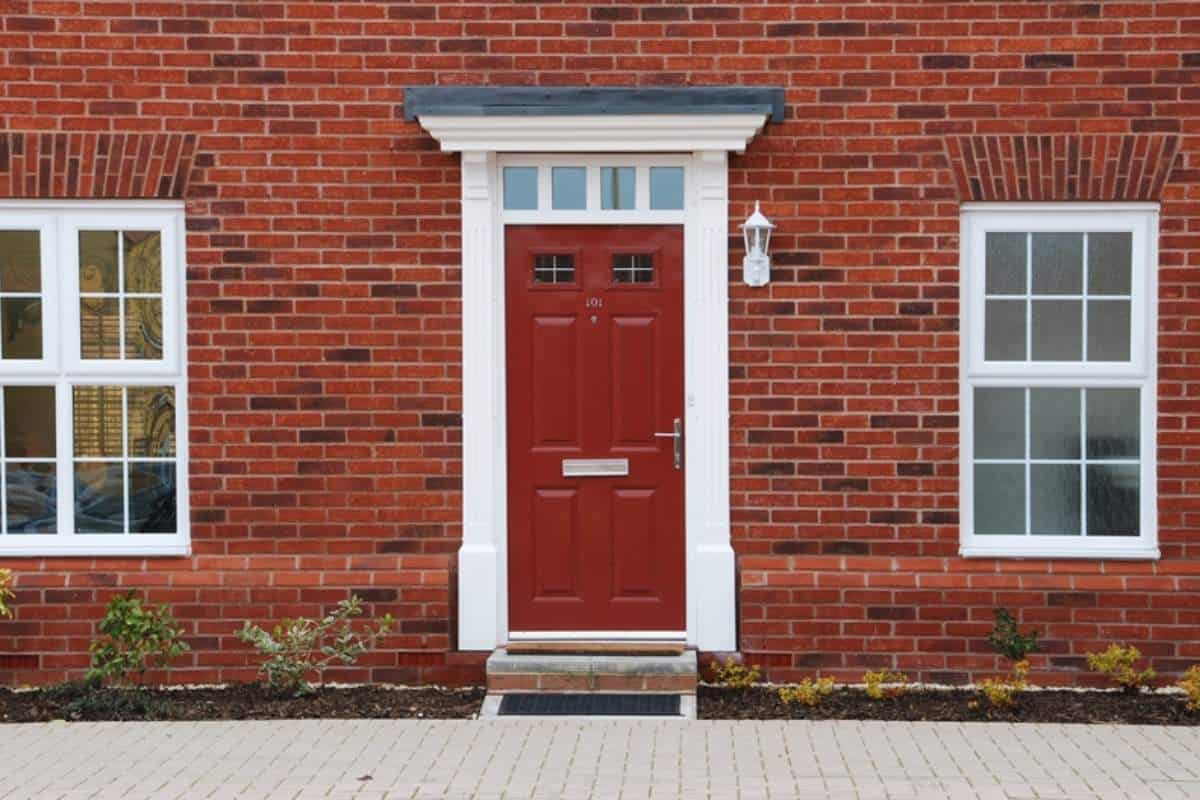
The range of styles and colours available in composite doors has expanded considerably. It now covers virtually every aesthetic preference, from traditional panelled designs that work on period properties to clean, contemporary profiles for modern homes. The factory-applied coating is available in a wide palette of colours and, in some product ranges, can be specified in different colours on the internal and external faces, which is useful when the exterior colour scheme and the interior decoration are quite different.
Making the Final Decision
For most homeowners, rs replacing a tired or damaged front door with a quality composite door represents an excellent choice that will perform reliably, require minimal maintenance, and improve both the security and the appearance of the property. The decision becomes more nuanced for period properties where authenticity is a priority, for buyers with a strong preference for natural materials, or in situations where planning constraints apply. Taking time to view samples in person and compare specifications across the price range is time well spent before committing to any front-door purchase.