
Collaborative post
Exploring nature with your children can be an enriching and enjoyable experience, but it’s important to be aware of the various pests that can pose risks to their health and safety.
Being prepared and knowledgeable about these pests can help you prevent potential issues and ensure that your outdoor adventures remain fun and safe. The goal is to keep your children healthy and protected while they enjoy the great outdoors.
Common Pests to Watch Out For
When heading into nature, there are several common pests you should be mindful of. These include mosquitoes, ticks, bees and wasps, ants, spiders, and snakes. Each of these pests can present different risks and require specific preventative measures.
Mosquitoes
Mosquitoes are notorious for their itchy bites and their ability to transmit diseases such as West Nile virus and Zika virus. These small, flying insects are most active during dawn and dusk and thrive in areas with standing water.
Risks Associated with Mosquito Bites
The primary concern with mosquito bites is the potential transmission of diseases. While not all mosquitoes carry diseases, those that do can pose significant health risks, particularly to young children who may have less developed immune systems.
Prevention Tips
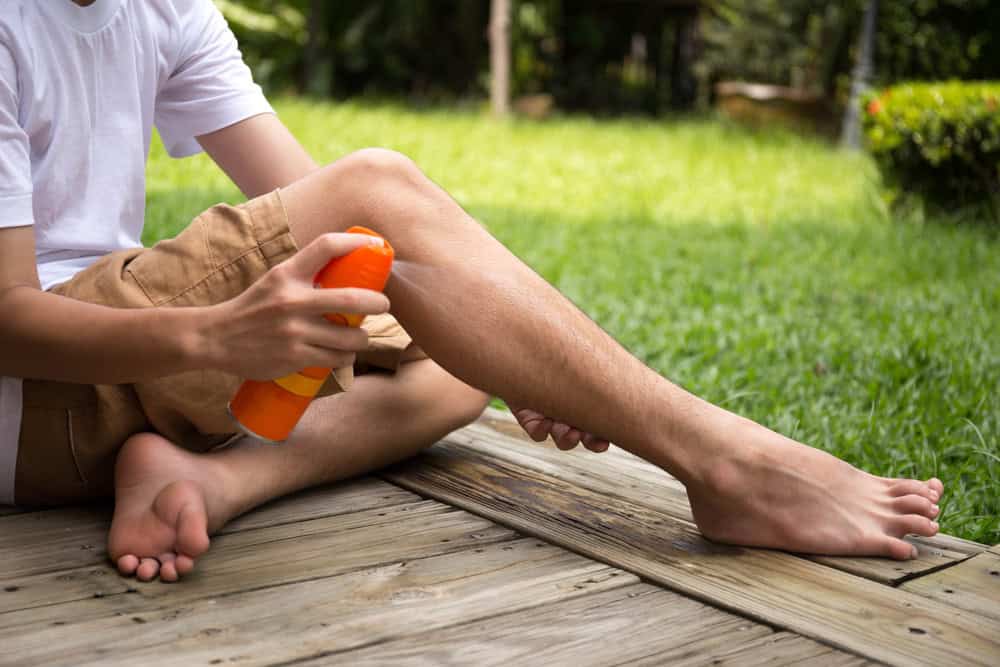
To protect your children from mosquito bites, use insect repellent containing DEET or other recommended ingredients. Dress them in long sleeves and pants, especially during peak mosquito activity times.
Use mosquito netting over strollers and play areas to create a physical barrier. Reducing standing water around your campsite or backyard can also help minimize mosquito breeding grounds.
Ticks
Ticks are small, parasitic arachnids that feed on the blood of mammals, including humans. They are commonly found in wooded and grassy areas and can transmit diseases such as Lyme disease and Rocky Mountain spotted fever.
Risks Associated with Tick Bites
Tick bites can lead to serious health issues, with Lyme disease being one of the most significant concerns. Symptoms can range from mild, flu-like signs to more severe complications if left untreated.
Children are particularly vulnerable because they are more likely to play in areas where ticks are present and may not notice a tick bite.
Prevention Tips
To prevent tick bites, encourage your children to stay on well-trodden paths and avoid tall grass and dense vegetation. Use tick repellents on exposed skin and clothing, and dress your children in light-colored clothing to make it easier to spot ticks.
Conduct thorough tick checks after spending time outdoors, paying close attention to hidden areas such as the scalp, behind the ears, and under the arms. Removing ticks promptly and correctly can reduce the risk of disease transmission.
Bees and Wasps
Bees and wasps are common outdoor pests that can pose risks, particularly for children who may be unaware of the potential danger. While bees are generally beneficial to the environment, their stings can be painful and potentially dangerous for those with allergies.
Wasps, on the other hand, can be more aggressive and their stings can be equally harmful.
Risks of Stings and Allergic Reactions
Stings from bees and wasps can cause immediate pain, swelling, and redness. In some cases, stings can lead to severe allergic reactions, known as anaphylaxis, which can be life-threatening if not treated promptly.
Children who have known allergies to insect stings should carry an epinephrine auto-injector and know how to use it.
Prevention Tips
To reduce the risk of stings, avoid using scented products like perfumes, lotions, and shampoos that can attract bees and wasps. Dressing children in neutral-colored clothing can also help, as bright colors and patterns may attract these insects.
Teach children to remain calm and move slowly if a bee or wasp approaches, as sudden movements can provoke stings. Ensure that food and drinks are covered when eating outdoors to avoid attracting these pests.
Ants
Ants, especially fire ants, can be a nuisance and pose risks when encountered outdoors. Fire ants are particularly aggressive and their stings can cause intense pain and allergic reactions.
Risks of Bites and Stings
Ant bites and stings can cause pain, swelling, and itching. Fire ant stings can lead to pustules and, in some cases, severe allergic reactions. Children are at higher risk as they may inadvertently disturb ant mounds while playing.
Prevention Tips
To prevent ant bites and stings, avoid areas with visible ant mounds and ensure children wear proper footwear when playing outside. Teach your children to recognize and stay away from ant nests. If you are in an area known for fire ants, consider applying insect repellent to your children’s shoes and clothing for added protection.
Spiders
Spiders are common in many outdoor settings, and while most are harmless, some can pose significant risks due to their venomous bites.
Risks Associated with Spider Bites
Bites from venomous spiders, such as black widows or brown recluses, can cause severe pain, muscle cramps, and other serious symptoms. Although these spiders are not typically aggressive, bites often occur when they are accidentally disturbed.
Prevention Tips
To minimize the risk of spider bites, check clothing, shoes, and gear for spiders before use. Teach children to be cautious when exploring areas where spiders might hide, such as under rocks, logs, or in piles of leaves. Encourage them to wear gloves when handling these items and to shake out clothing and shoes that have been left on the ground.
Snakes
Snakes are often encountered in natural settings, and while many are harmless, some species can be venomous and pose serious risks.
Risks Associated with Snake Bites
Venomous snake bites can cause severe pain, swelling, and even life-threatening reactions if not treated promptly. Children are particularly vulnerable as they may not recognize the danger and might inadvertently provoke a snake.
Prevention Tips
To prevent snake bites, teach your children to stay on clear paths and avoid tall grass, rocks, and logs where snakes might hide.
Encourage them to wear long pants and boots when hiking or playing in areas known for snakes. Make sure they know to never touch or approach any snake, even if it appears to be dead.
General Safety Tips
When venturing into nature with children, general safety precautions can go a long way in ensuring a safe and enjoyable experience. Always keep a well-stocked first-aid kit handy.
This kit should include items specifically for treating bites and stings, such as antihistamines, antiseptic wipes, and bandages. Being prepared for minor injuries can make a significant difference in handling emergencies promptly and effectively.
Educating your children about the importance of pest awareness is crucial. Teach them to recognize and avoid potentially dangerous insects and animals.
Explain the risks associated with certain pests and the steps they can take to protect themselves, such as not disturbing ant mounds or staying away from tall grass where ticks and snakes might be present.
Regularly check for bites and stings, especially after spending time in areas known for pests. Conduct thorough inspections of your children’s skin, focusing on hidden areas like the scalp, behind the ears, and under the arms. Early detection and treatment can prevent more serious health issues from developing.
Knowing how to respond to bites and stings is essential. Learn the proper techniques for removing ticks, treating insect stings, and recognizing the signs of allergic reactions or infections. Quick and appropriate responses can mitigate the impact of these incidents and ensure your child’s well-being.
Wrapping Up
Being aware of common pests and taking proactive measures can significantly enhance the safety of your outdoor adventures with children.
Use insect repellent and dress appropriately, conduct regular checks and educate your kids, all of these can help prevent and manage encounters with pests.
Follow these guidelines and stay vigilant, so you can enjoy the beauty of nature while keeping your family safe and healthy.