Collaborative post
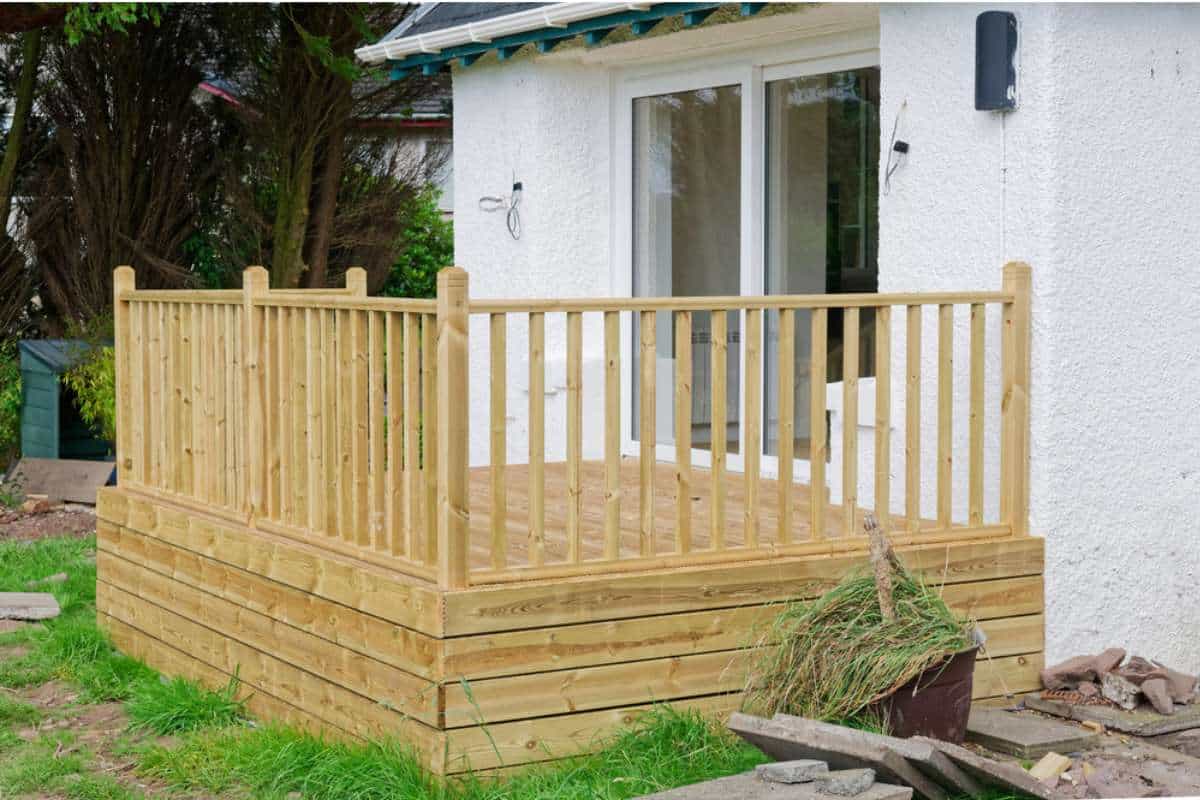
As winter approaches and autumn breezes set in, roof, gutter, and heating maintenance usually changes. Deck railings serve as an important barrier that protects loved ones from harm in a fall. Although deck railings may last longer than other outdoor structures, the sun, weather, and regular wear and tear can still damage them. Winter can also cause serious problems for the railings and the deck. It is therefore important to seek the services of experienced deck replacement contractors.
Unstable or Wobbly Railing Posts
One of the first signs of a problematic railing system is a wobble or shift when you press on the top rail. The posts of a railing system should not yield when pressure is applied. This could mean the bolts holding the structure in place have loosened, the wood beneath the deck surface has decayed, or the metal brackets have rusted through. In winter, snow buildup against wobbly railings and people falling on black ice and holding onto the rails can result in the failure of the post entirely.
Visible Rot, Splintering, and Structural Decay
Wooden railings are highly vulnerable to moisture and decay. Examine the areas around the base of railing posts, top railings, and balusters for evidence of spongy or soft wood, extensive cracking, splintering, or fungal growth. Moisture tends to become entrapped between the rail posts and the deck boards, thus causing decay from the inside out, not visible to the eye. You can detect this decay by poking a screwdriver into the suspicious spots. If you find that the screwdriver easily enters the wood fiber, then there is very little left of its structural strength.
Rust, Corrosion, and Failing Fasteners
Metal railings and metal connection hardware on wood decks pose a serious corrosion risk from winter weather and salt tracked in by shoes. Check all screws, brackets, bolts, and metal balusters for extensive rusting and deteriorating metal. Rust weakens fasteners and makes them unable to withstand lateral pressure or the weight of snow. When you find evidence of extensive rusting of structural brackets or damaged metal hardware or supports, it is time to get a deck replacement or have your deck’s structure rebuilt.
Loose or Missing Balusters and Spindles
The balusters are the guards that run vertically between the supports. They prevent pets or kids from falling through the railing. You need to walk along the entire railing system and pull the spindles to check their tightness. Wobbly or cracked balusters reduce the railing’s stability and create potential hazards. Snow can easily force the balusters out because they’re loose, creating gaps that violate safety rules.
Peeling Paint and Deteriorating Protective Finishes
Your railing’s finish is much more than a style preference; it works as a protective barrier against rain, sleet, and snow. Peeling, blistered, or flaking paint exposes the underlying wood or metal to freezing moisture. In fall rains, the wood can absorb water that freezes, expands, and splits the wood fibers when temperatures drop below freezing at night. Sealing and painting the wood before the first freeze will prevent any superficial damage from becoming a more serious internal decay issue through the winter.
Conclusion
Neglecting even the slightest defects in your railings this fall may cost you dearly in terms of emergency maintenance or safety hazards when winter comes knocking. By spending some time inspecting your railings for wobbly parts, signs of rot and rust, loose balusters, or failing finish, you can fix them before heavy snow and ice turn small issues into bigger problems. With strong, well-maintained railings, you can enjoy peace of mind during the cold months. If pre-winter checks reveal extensive decay or widespread structural damage, contact local deck replacement contractors to repair or upgrade your outdoor guardrails so they can withstand whatever winter brings.