
Collaborative post
The Role of Proper Equipment
Well-maintained bikes and essential safety gear create the backbone of road cycling safety. Think of your equipment as your personal shield against the unexpected hazards that come with sharing the road.
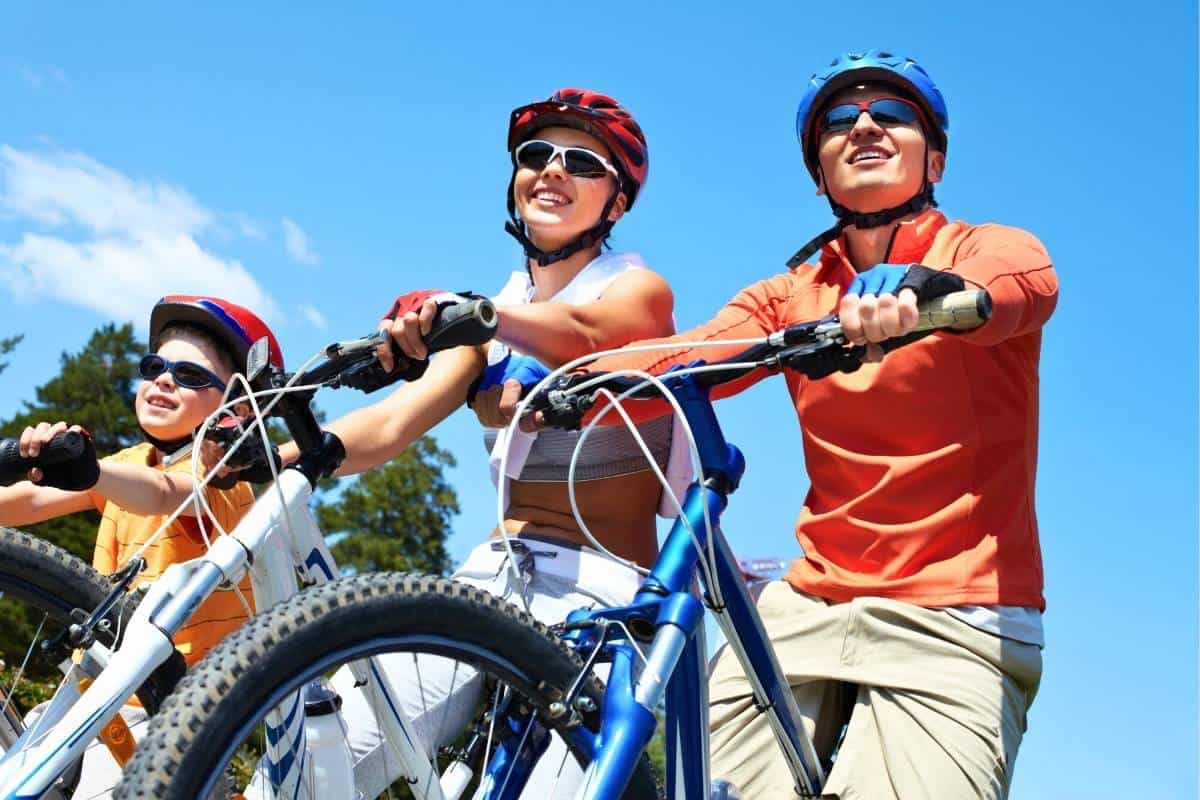
A properly fitted road bike helmet represents your most crucial investment in head protection. Safety research demonstrates that helmets can slash head injury risk by up to 85% and brain injury risk by an impressive 88%. Seek helmets bearing safety certifications like CPSC, SNELL, or CE standards. The perfect fit positions the helmet level on your head, with the front edge sitting roughly one finger-width above your eyebrows, while the straps create a clean “V” shape beneath your ears.
Your safety arsenal should also include:
– Reflective clothing and vibrant colors that make you impossible to miss
– Cycling gloves that enhance grip while protecting your hands during unexpected spills
– Front and rear lights for those early morning, evening, and nighttime adventures
– Quality cycling shoes paired with appropriate pedal systems
Preparing for Your Ride
Smart pre-ride preparation prevents mechanical breakdowns and dangerous surprises once you’re rolling. Your essential checklist should cover:
- Tire pressure: Well-inflated tires boost handling while reducing your puncture risk
- Brake performance: Give both front and rear brakes a thorough test for crisp response
- Chain health: Check for smooth shifting and adequate lubrication
- Light operation: Confirm all lights function properly and batteries hold sufficient charge
Here’s something many riders overlook: route planning dramatically influences your safety. Prioritize roads featuring bike lanes, lighter traffic patterns, and excellent visibility whenever your options allow. Take time to study your planned route beforehand—this preparation helps you anticipate tricky intersections or challenging road conditions before they surprise you.
Mastering Safe Riding Techniques
Navigating Traffic and Road Hazards
Defensive riding starts with grasping your role in traffic flow. Always ride alongside traffic, never against it, and approach your bicycle as a legitimate vehicle carrying identical rights and responsibilities as automobiles. Respect every traffic signal, stop sign, and road marking without compromise.
Strategic road positioning proves vital for both visibility and safety. Maintain at least three feet of clearance from curbs or parked vehicles to stay clear of the notorious “door zone” where suddenly opening car doors create serious threats. Master your hand signals and use them religiously: extend your left arm straight for left turns, bend it upward at 90 degrees for right turns, and angle it downward when stopping.
Road hazards demand your constant attention:
– Potholes and debris: Keep your eyes scanning ahead while planning safe paths around obstacles
– Car doors: Stay alert for occupants in parked vehicles and maintain safe distances
– Drainage grates: These tire-catching traps can trigger devastating falls
– Slick surfaces: Dial back your speed on painted lines, manhole covers, and any wet pavement
Braking, Turning, and Descending Safely
Masterful braking technique requires coordinating both front and rear brakes simultaneously, with roughly 70% of your stopping power flowing from the front brake. Perfect the art of “feathering” your brakes—applying smooth, steady pressure rather than sudden grabs—to preserve control and prevent dangerous skids.
Approach turns by reducing speed before you enter, never during the turn itself. Lean your bike into the curve while keeping your body relatively upright, and focus your vision through the turn toward your intended destination. During descents, shift your weight backward, level your pedals, and apply measured braking to control your speed safely.
Building Awareness and Defensive Riding Habits
Staying Alert and Predictable
Unwavering awareness becomes your most precious safety asset. Continuously sweep the road ahead with your eyes, check mirrors or glance over your shoulder at regular intervals, and tune into the sounds of approaching vehicles. Eliminate distractions like headphones, mobile devices, or anything else that might compromise your ability to hear and spot potential dangers.
Predictable riding helps drivers understand and anticipate your next moves. Hold a steady line, signal well before making turns, and establish eye contact with drivers whenever possible to confirm they’ve noticed you. Erratic movements or unpredictable behavior significantly amplifies your accident risk.
Picture this scenario: a cyclist spots a car approaching from behind while noticing a parked car ahead with its door slightly open. Through maintained awareness, early signaling, and direct eye contact with the approaching driver, the cyclist can navigate safely around the door hazard while ensuring the car driver clearly understands their intentions.
Sharing the Road Responsibly
Thoughtful road sharing means recognizing your duties to fellow road users. Always give pedestrians the right of way, particularly in crosswalks and shared-use paths. When overtaking other cyclists or pedestrians, announce your presence with a courteous “on your left” or a gentle bell chime.
Take advantage of designated bike lanes and paths when they’re available, but remember that bike lanes don’t provide automatic safety, maintain your vigilance even within protected cycling infrastructure. Honor local cycling regulations, which differ by location but typically include requirements for lights, helmet usage, and traffic law compliance.
Road cycling safety hinges on the steady application of sound techniques, quality equipment, and defensive riding instincts. The most critical practices encompass wearing appropriate safety gear, keeping your bicycle in top condition, staying alert and predictable, and showing respect for traffic laws and fellow road users.
Keep in mind that developing consistent, well-informed habits requires patience and practice. Begin by implementing these safety measures step by step, concentrating on fundamentals like proper helmet fit and basic road positioning before progressing to more advanced techniques. Stay current with best practices through trusted cycling organizations and safety courses, and never hesitate to choose caution over speed or convenience. Safe cycling extends beyond self-protection—it’s about fostering a positive cycling culture that benefits everyone who shares the road.