Collaborative post
Childhood is a time of unbridled imagination and boundless creativity. By encouraging our children to express themselves through art, we not only provide them with a fulfilling hobby, but also help them develop critical life skills.
From using modern technology like 3D printers to experimenting with traditional art materials, kids’ creativity knows no bounds.
Harnessing Technology: The Role of 3D Printers in Children’s Creativity
In an era where technology is shaping every aspect of our lives, it is paramount to integrate it into children’s creative learning process.
One such technological innovation that has revolutionized the way kids create is the 3D printer.
Through 3D printing, children can bring their imaginations to life in a tangible form, which not only instills a sense of accomplishment but also contributes to their cognitive development.
3D Printers for Kids: Tools for Unleashing Potential
As 3D printers have become more accessible and affordable, several models specifically designed for kids have entered the market.
These printers often come with safety features, simplified interfaces, and educational resources that make them ideal for young users. With a 3D printer, children can create everything from simple toys to complex mechanisms.
This exposure to the production process enhances their understanding of design, engineering, and spatial awareness.
Parents and educators should encourage children to experiment with 3D printing, and provide them with the necessary resources and supervision to explore this empowering tool.
Bridging Art and Science with 3D Printing
3D printing is a unique medium as it bridges the gap between art and science. Children can be taught to conceptualize a design by sketching it and then learn the science behind turning that design into a 3D object.
This process integrates creativity with analytical thinking and problem-solving. For instance, children might create an animal figure, and in doing so, learn about the animal’s anatomy and habitat.
Encouraging such interdisciplinary learning can nurture well-rounded individuals who are adept at both creative and logical thinking.
Developing Entrepreneurial Skills through 3D Printing
By creating 3D printed objects, children can also learn the basics of entrepreneurship. They could design a product, produce it with a 3D printer, and then sell it to friends, family, or even online.
This encourages them to think critically about the market, understand the value of their work, and develop communication and negotiation skills. Such experiences in early childhood can inspire future innovators and entrepreneurs.
The Magic of Traditional Art: Fueling Imagination with Classic Techniques
While technology plays a significant role in modern creative expression, traditional art forms remain an essential element in children’s development. The tactile nature of materials like clay, paint, and paper helps children connect with the world around them on a sensory level.
Clay Sculpting: Shaping Young Minds
Working with clay is an age-old artistic practice that offers numerous benefits for children. As kids manipulate clay into various forms, they are not only developing fine motor skills but also learning about shapes, textures, and symmetry.
The therapeutic nature of clay sculpting can help alleviate stress and anxiety in children. Encouraging kids to create clay sculptures based on their imagination or real-life observations can foster their artistic talents.
The Expressive Brush: Painting as a Form of Communication
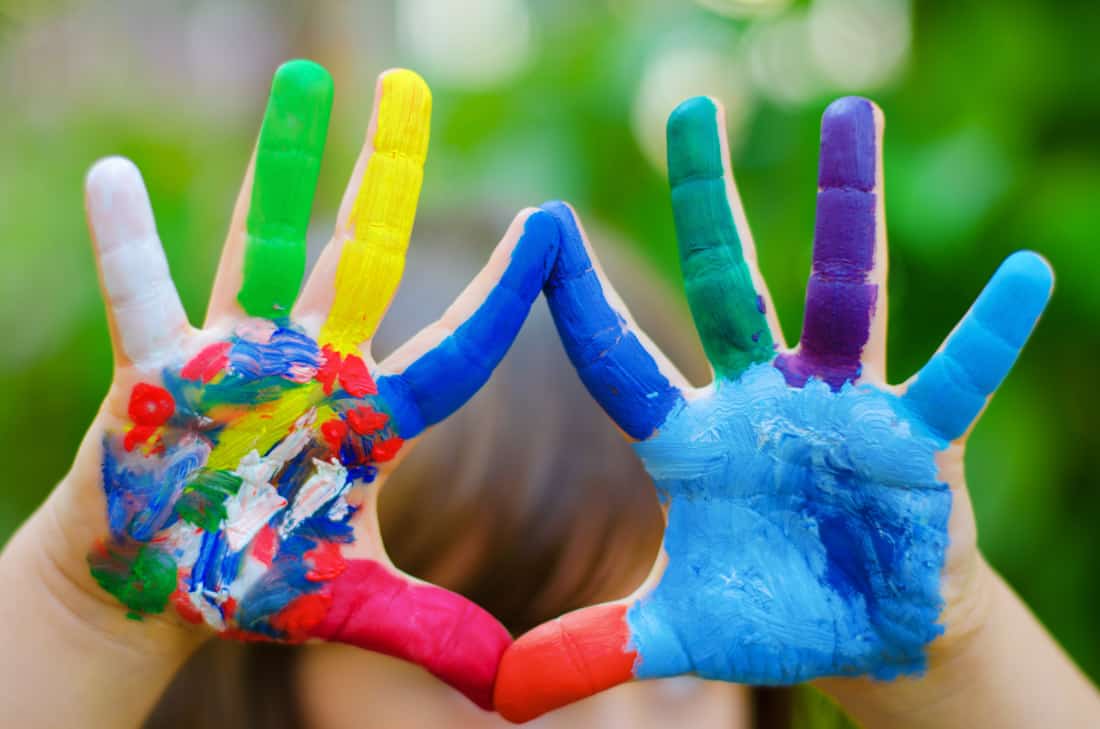
Painting is a powerful means for children to communicate emotions and ideas. By experimenting with colors, textures, and strokes, kids can create images that resonate with their inner feelings.
It’s important to provide children with a variety of paints and brushes and allow them the freedom to explore without fear of judgment.
This non-verbal form of communication can be particularly beneficial for children who have difficulty expressing themselves through words.
Crafting Stories through Collage Art
College art involves assembling different materials such as paper, photographs, and fabric to create a new image or story. This form of art encourages children to think critically about composition, contrast, and storytelling.
By creating collages, children can develop a narrative, whether it’s a fantastical story from their imagination or a reflection of their personal experiences. Engaging in collage-making can enhance a child’s ability to analyze and synthesize information.
Engaging the Community: Building Creative Spaces for Children
Beyond the home and school environment, the broader community can play a vital role in fostering children’s creativity.
By establishing creative spaces and organizing events, communities can provide children with opportunities to explore art and express themselves.
Establishing Creative Playgrounds
Communities can establish creative playgrounds where children have access to various art materials and tools, including 3D printers.
These spaces should be designed to stimulate creativity and allow children to collaborate on projects.
By interacting with peers, children can learn new perspectives and techniques, and improve their social skills.
Hosting Children’s Art Events
Community art events, such as exhibitions, competitions, and workshops, provide children with platforms to showcase their work and learn from others.
These events can foster a sense of pride and accomplishment among young artists. They also expose children to different art forms and ideas, broadening their horizons and inspiring them to try new things.
Engaging Artists and Mentors
By engaging local artists and mentors to work with children, communities can provide invaluable guidance and inspiration.
These professionals can offer workshops, demonstrations, and one-on-one mentoring, helping children hone their skills and think more deeply about their art.
This interaction with established artists can also help children envision a future in creative professions.
Final thoughts
In nurturing the creative minds of children, it is imperative to adopt a holistic approach that combines the power of innovative technology, such as 3D printers, with the timeless allure of traditional art.
Fostering a supportive environment through community engagement is vital. As children experiment, create, and share, they cultivate invaluable skills ranging from cognitive development to emotional expression.
These experiences shape them into well-rounded individuals who are capable of thinking critically and creatively. Society, in turn, reaps the rewards, as these young minds grow into the innovators, artists, and leaders of tomorrow.