Collaborative post
A baby carrier is no longer bought in a hurry from the nearest supermarket shelf. For a growing number of parents it is one of the most deliberate purchases of early parenthood, chosen with the same care as a winter coat or a good pair of shoes. The reason is simple. A carrier is worn daily, often for hours, during a period of life that parents want to remember well. That changes what people look for in one.
Closeness is the core reason parents carry
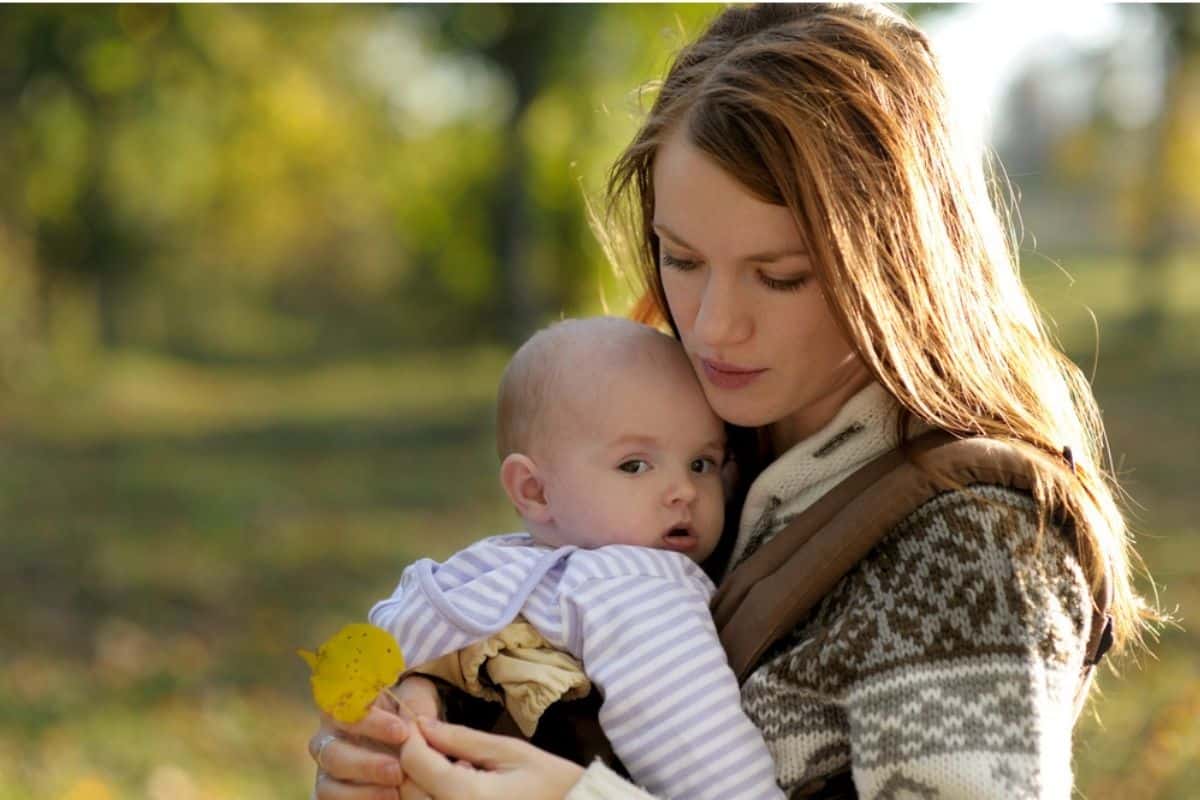
Parents choose babywearing first and foremost for proximity. A carried baby stays close to a parent’s chest, where it hears a familiar heartbeat. It is part of daily life rather than parked beside it. Many parents describe this closeness as the thing that made the early months feel manageable, because they could soothe their baby and still have their hands free. That applies to mothers, but just as much to fathers and non-birthing parents, for whom carrying is often the most direct way to build their own physical bond with a new baby.
The newborn stage places different demands on a carrier
A carrier that works for a sturdy one-year-old is not automatically suited to a baby of a few weeks old. Newborns are lighter and far less able to support themselves, so the fit of the carrier matters more at this stage than at any other. Parents comparing options for those first months often look specifically at a newborn baby carrier designed around that early period, rather than adapting a model built for older children. It is worth deciding this before the birth. Once the baby has arrived, few parents have the energy to research fabrics and sizing between night feeds.
Material quality is felt by two people at once
Fabric is the second thing to weigh up, and it matters more here than in most baby products. A carrier sits directly against the skin of both parent and child, in all weathers and for long stretches. Natural fibres such as organic cotton and linen breathe better than most synthetics, which matters on a warm day with a small body pressed against you. It also matters to environmentally conscious buyers, because a carrier made from durable natural materials can serve a second or third child, or be passed on, instead of ending up as short-lived baby kit. Brands at the premium end of the market, Artipoppe among them, have built their reputation on precisely this combination of natural fibres and construction that lasts.
Design has become part of the decision
The third consideration is aesthetic. Parents increasingly treat a carrier as part of their wardrobe, because they wear it as often as any coat. Animal prints have become a recognisable signature in this category, with leopard in particular turning into something of a style statement among babywearing parents. A well-made leopard baby carrier does something a plain one cannot, letting a parent feel dressed rather than merely equipped. That may sound superficial, but it has a practical effect. A carrier that a parent genuinely likes wearing gets used more, and a carrier that gets used is the only kind worth owning.
How to choose well the first time
The sensible order is to decide first which stage the carrier needs to serve, starting with the newborn months if the baby has not yet arrived. Then look at material, giving preference to breathable natural fibres that will hold up to daily wear. Only then choose the design, and choose one you will actually want to put on every morning. Parents who follow that order tend to buy once instead of twice, which is better for the budget and spares them a cupboard of half-used baby gear.