
Colaborative post
Peru’s ancient mountain cities sit high in the Andes, shaped by societies that adapted to steep terrain and changing climates. Built in demanding conditions, these settlements demonstrate advanced stonework and careful planning. Many travellers visit to explore the architecture and understand how earlier civilisations organised daily life at altitude.
Today, these sites remain central to many Peru itineraries. The combination of preserved archaeological remains and mountain scenery continues to attract visitors interested in history and culture.
Travelling to these high-altitude locations requires preparation. Air becomes thinner at elevation, weather can shift quickly, and access routes vary in difficulty. Choosing the right season, allowing time for acclimatisation and reviewing transport options are essential steps before departure.
The Essential Logistics of Reaching Machu Picchu
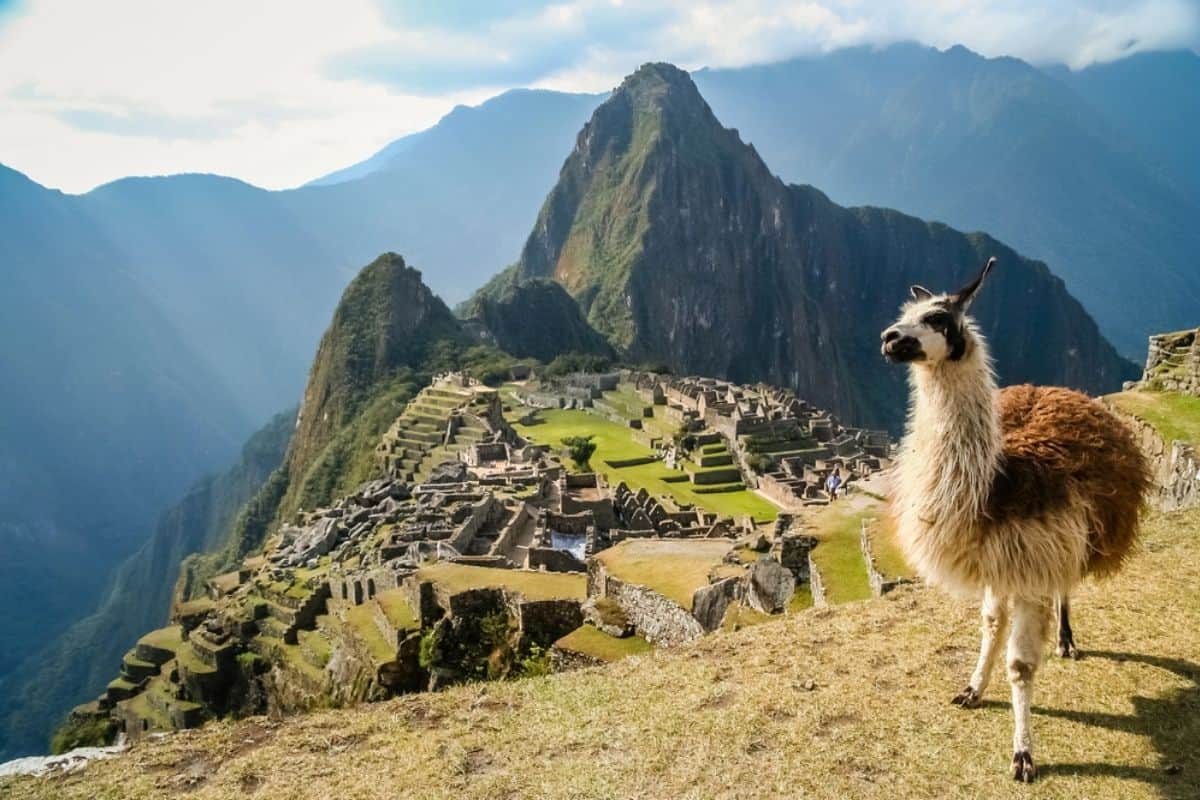
Reaching Machu Picchu involves several coordinated transport stages. Most visitors begin in Cusco, the former Inca capital located at 3,400 metres above sea level. Machu Picchu travel planning includes organising train tickets, bus transfers and entry permits, while also understanding site regulations in advance. Given the complexity of permits, transport coordination and timed entry requirements, many travellers rely on specialised operators such as Machu Travel Peru, who help structure itineraries and manage access in line with official regulations.
The most common route combines train and bus travel. Trains depart from Poroy near Cusco or from Ollantaytambo in the Sacred Valley. The rail journey follows narrow valleys and river gorges before reaching Aguas Calientes, the town at the base of Machu Picchu. Two primary operators, Peru Rail and Inca Rail, provide services at different comfort levels.
From Aguas Calientes, buses run up a winding mountain road to the site entrance. Services operate throughout opening hours, although queues increase during the peak season between June and August.
For those seeking a more active approach, hiking provides an alternative. The classic four-day Inca Trail requires permits that often sell out months in advance. Daily entry numbers are limited, so early booking is essential.
Other trekking routes, including the Salkantay and Lares trails, approach Machu Picchu from different directions. These options offer varied landscapes and typically connect with train services before the final ascent.
Navigating Peru’s Altitude Challenges
High elevation presents a challenge for visitors. Cusco sits at 3,400 metres, while Machu Picchu lies at 2,430 metres. Many travellers notice altitude-related symptoms shortly after arriving in Cusco.
Common effects include headaches, shortness of breath, nausea, reduced appetite and fatigue. These symptoms can affect people regardless of physical fitness and are consistent with acute mountain sickness. Gradual acclimatisation remains the most reliable response. Spending at least two full days in Cusco before undertaking demanding activities supports adjustment.
Some travellers choose to descend to the Sacred Valley, which lies at around 2,800 metres, soon after arrival. They then return gradually to higher elevations as their bodies adapt.
Staying well hydrated is important. Dehydration can intensify symptoms. Coca tea is widely available and traditionally used in the region, although scientific evidence remains limited. Reducing alcohol intake and avoiding heavy meals during the first days can also support acclimatisation.
Travellers concerned about altitude may consult a doctor before departure regarding medication such as Acetazolamide, often prescribed to assist acclimatisation when taken prior to ascent.
Ticket Systems and Entry Regulations
Machu Picchu’s ticketing system has evolved to protect the site and manage visitor numbers. Daily capacity is limited and divided into timed entry slots with defined circuits.
Tickets must be purchased in advance through the official government platform or authorised agencies. Sales typically open several months ahead, and dates between June and August often sell out quickly. Each ticket includes a specific entry time, and visitors must enter within one hour of their allocated slot.
The site offers four main circuits, each following a fixed route through designated sections known as Machu Picchu entry circuits. Circuit 1 covers the broadest area, while Circuits 3 and 4 are shorter but include access to the urban sector. Tickets allow a single entry only, and re-entry is not permitted.
Visitors wishing to climb Huayna Picchu or Machu Picchu Mountain must purchase an additional permit. Daily numbers for these climbs remain strictly limited.
Photography is permitted throughout most of the site. Tripods, drones and professional equipment require special authorisation. Food is not allowed within the archaeological zone. Backpacks larger than 40x35x20 cm must be stored at the entrance facility for a fee.
Beyond Machu Picchu: Lesser-Known Ancient Mountain Cities
While Machu Picchu remains Peru’s most recognised archaeological site, several other ancient mountain cities offer rewarding experiences with fewer visitors. Choquequirao, considered a sister site to Machu Picchu, attracts far fewer travellers despite its scale and architectural similarity.
Located roughly 64 kilometres from Machu Picchu, Choquequirao requires a demanding two-day trek each way. Future infrastructure plans may alter visitor access in the coming years.
Further north, Kuelap represents another significant pre-Columbian site. Built by the Chachapoyas culture from around the 6th century AD, it predates Machu Picchu. The complex features extensive defensive walls and interior structures that define the Kuelap Chachapoya citadel, highlighting the engineering capabilities of this lesser-known Andean civilisation.
Within the Sacred Valley near Cusco, Pisac and Ollantaytambo highlight advanced Inca engineering and agricultural planning. Pisac is known for its agricultural terraces carved into the mountainside. Ollantaytambo preserves original streets and water channels that remain functional.
Planning a journey to Peru’s ancient mountain cities requires preparation, awareness of altitude and careful coordination of transport and entry systems. From regulated ticket circuits to acclimatisation in Cusco, each step influences the overall experience. Travellers who approach their itinerary with structure and realistic timing are more likely to enjoy both the historic significance and the landscape without unnecessary disruption.