
Collaborative post
Renovating houses to make them more energy-efficient has long become popular to contribute to a greener life, ensure comfort indoors and save money on energy bills.
In 2023, window replacement still tops the list of the most popular home renovation projects, and choosing the right models is always a hot topic to discuss. And awning vs. hopper windows are some of the most popular replacement window styles to consider. That is why we will compare both models and decide what works best for your house, discussing their pros and cons and providing homeowners with the insights they need for their home improvement decisions.
From understanding the core awning window advantages to exploring the distinct hopper window features, we’ve got you covered.
Awning Windows: Key Features
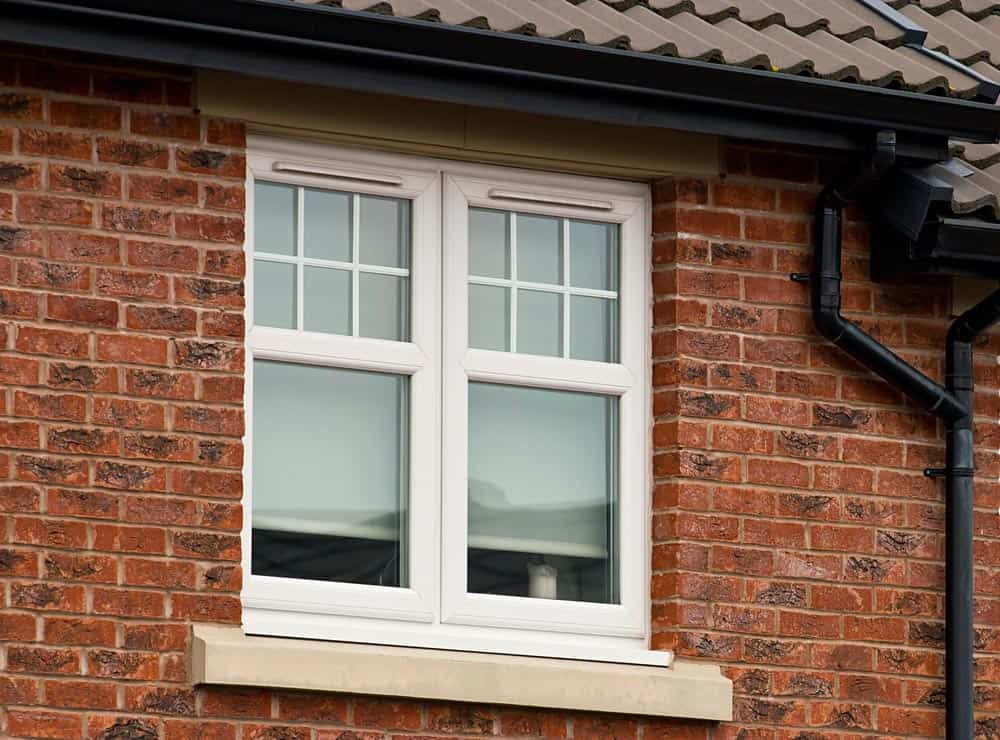
Awning windows, popular among many homeowners, are hinged at the top and open outward. These units are usually installed in kitchens and have much to offer:
- Ventilation options for homes: Their unique design allows maximum airflow, even during light rain, ensuring homes remain fresh without the worry of water seepage.
- Energy-efficient windows: With tight seals, awning windows prevent unwanted drafts, significantly maintaining indoor temperatures and reducing energy bills.
- Weather Resistance: Built to withstand the unpredictable Canadian climate, these windows offer superior protection against rain, snow, and wind.
- Typical Use Cases: Often found in kitchens and bathrooms, their high placement on walls ensures privacy while allowing natural light and ventilation.
With their blend of functionality and aesthetic appeal, awning windows have become a staple in window installation trends.
Awning windows are hinged at the top and open outward, allowing for ventilation even during light rain. They are commonly used in basements or bathrooms but can be placed higher on walls to maintain privacy while still letting in light. Their design complements various aesthetics, including coastal-style interior design, where maximizing natural light and maintaining a connection with the outdoors are key elements.
Hopper Windows: Key Features
Hopper windows bring their own set of remarkable features to the renovation table. They are hinged at the bottom and open inward, and here’s what sets hopper windows apart:
- Space-saving design: Hopper windows don’t protrude outside for compact spaces, making them ideal for basements or small bathrooms.
- Security considerations for windows: Their inward opening mechanism offers an added layer of security, deterring potential intruders.
- Energy-efficient windows: Like their awning counterparts, hopper windows come with tight seals, ensuring homes remain insulated against external temperature fluctuations.
- Common Use Cases: Usually installed in basements, they’re also a favourite for ground-level installations where security and space are paramount.
With their unique hopper window features, these units offer homeowners a blend of practicality and peace of mind, making them a noteworthy contender in the world of window choices.
Side-to-Side Comparison: Awning vs. Hopper Windows
Understanding even the minute details regarding the awning vs. hopper window comparison can significantly influence your home renovation decisions. Here’s a breakdown:
- Size and Shape: While both can be customized, awning windows are typically wider than tall, offering a better view outside. On the other hand, hopper windows are often more square or vertically oriented, catering to their common placements like basements.
- Operation Mechanisms: Awning windows, hinged at the top, open outward, whereas hopper windows, hinged at the bottom, swing inward. This distinction influences their ventilation options for homes and security features.
- Installation Considerations: Window installation guidelines suggest awning windows for spaces requiring unobstructed views and hopper windows for areas requiring enhanced security or where external protrusion is a concern.
- Visual Appeal: Speaking of aesthetic window design, awning windows offer a modern, sleek look, while hopper windows provide a classic touch, especially when paired with decorative grilles.
When diving deep into the awning and hopper window comparison, evaluating them on critical aspects like energy efficiency, ventilation, maintenance, and security is crucial to making an informed decision.
- Energy Efficiency: Both window types excel in energy conservation. With their tight top-hinged seal, awning windows prevent drafts, especially during the cold season. With their inward swing, hopper windows ensure a snug fit, bringing adequate thermal performance to any home. When equipped with double or triple-pane glass, both options contribute to significant energy savings, making them top energy-efficient windows.
- Ventilation: Awning windows, opening outward, allow for optimal airflow even during light rain, ensuring homes remain fresh. With their design, hopper windows are perfect for basements, pulling in cool air and preventing dampness, offering unique ventilation options for homes.
- Maintenance: Both windows are user-friendly when it comes to cleaning and upkeep. Awning windows typically placed higher, might require a step ladder for exterior cleaning, while hopper windows, especially those at ground level, are easily accessible. Regular hardware checks and seal inspections are recommended for both to ensure longevity.
- Security: If security considerations for windows are your top priority, hopper windows take a slight edge here. Their inward-opening design acts as a deterrent to potential intruders. Awning windows, being out of reach for children, offer safety against accidental falls. Both come equipped with advanced locking mechanisms, fortifying home security.
Both awning and hopper windows have their unique strengths. The choice boils down to specific needs and preferences, ensuring homeowners get the right balance of functionality and aesthetics.
Awning vs. Hopper Replacement Windows: Costs & Savings
Balancing budget with beauty is often a challenge in home renovations. Here’s a look at the financial and visual aspects of awning and hopper windows:
- Initial Costs: Generally, awning windows tend to be slightly pricier due to their larger size and intricate mechanisms. Hopper windows, being smaller, are often more cost-effective window choices initially.
- Long-term Savings: Both window types, given their energy efficiency, can lead to substantial savings on energy bills over time, offsetting the initial investment. The key point here is to check their energy rating and make sure you install windows that are at least double-glazed and have LoE coating. This ensures a comfortable thermal performance all year round.
Window replacement is a great home improvement with one of the highest ROI, especially if you know which windows work best and save you money in the long term. Both awning and hopper windows offer unique advantages, catering to diverse homeowner needs. Whether prioritizing energy-efficient windows, seeking optimal ventilation options for homes, or focusing on security considerations for windows, the decision ultimately boils down to individual preferences and specific home requirements.
With today’s expert insights and window installation guidelines, homeowners are better equipped to make informed home improvement decisions. Remember, the essence lies in choosing the right window type that aligns with your vision, ensuring your home balances comfort and style.