
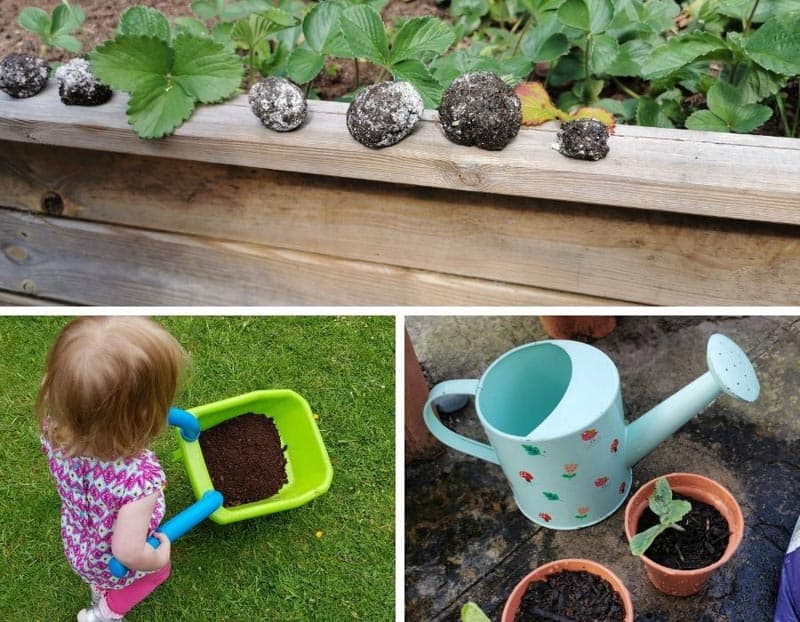
As the weather gets warmer and things begin to grow, you might be thinking it’s time to get outdoors with your little ones. But with so much to learn and enjoy in the garden, where’s the best place to begin to get the most out of your outdoor space? Here’s a collection of our top tips to make your gardening experience enjoyable for the whole family.
Start small
If you don’t have the biggest of gardens, there’s no need to fret, as the best planting activities actually take up the littlest of spaces. To introduce your child into gardening, you can simply add some seeds or herbs to a small pot or window box, that you can keep indoors on a windowsill, or in a specific section of your outdoor space – whatever that may be.
Micro-green plants are great for this kind of activity, such as basil or spinach. Plus, your children can learn through touch, taste and smell to fully engage as the plant grows. This also will help them to understand where their food comes from, as you can then use the leaves when cooking.
Make sure to keep the pots in a spot that gets plenty of sunshine, and encourage your little ones to check on the growth of the seeds and keep them watered. Try using a range of different seeds and herbs, so that you can child can experience how different things grow.
The pots themselves don’t have to be anything extravagant, as even a plastic cup or yogurt pot can be used to grow these kinds of plants. You can even decorate the plant pot as part of the gardening process. Together you can fill your pot with compost, scatter the seeds on top and water to dampen the compost. As you continue to water the plants, your family can watch their seedlings grow with pride.
Be prepared
As you’d expect, gardening with your child can get messy – and that’s of course all part of the fun. So, before you begin your new outdoor projects, make sure to set aside some old clothes or garden specific outfits that you don’t mind getting covered in dirt and soil.
For any activity taking place outside, always remember sun cream and hats, whatever the weather. Your little one’s skin is sensitive to sunshine, despite whether it seems sunny or not, and so will always need protecting. Slap on the sunscreen anytime you venture to your garden.
You should also set up a gardening tool kit for your kids, to get them more engaged and excited about the planting they are going to do. A collection of child-friendly, mini-items that they can use themselves, such as watering cans, trowels and spades, can make the experience even more enjoyable. It also will help towards improving their physical movement and fine motor skills.
You can also show them how to use homemade weed killer; it’s organic and much safer for a family garden than store bought weed killer. Let them know that the solution is only to be used when mummy is supervising!
Complete gardening projects
Having a particular project in place with your family is a great way to keep them enjoying their garden time and time again. You could start a sunflower competition amongst siblings or children in the neighbourhood, where they can each plant sunflowers with the aim to see whose grows the tallest. Or for something a bit less competitive, try including activities based around the stages of the sunflower, drawing pictures or describing the different stages as they bloom.
Ask questions to keep them engaged
We all know that children can have a short attention span, and so you could try to keep them interested in their garden using several different techniques. Have a section dedicated to their own plants in the garden, encouraging them to take on responsibilities, and get excited about tending to and checking their plants each day.
Whilst you’re planting with your little one, you should also them involve them in the process by asking lots of questions about their opinions on what you are doing together. Engage them in ideas about where the plants should live in the garden, how long it will take for them to grow and what they think they will look like at the end of the process.
Stimulate the senses
There are many benefits gained from gardening with your children, as well as improving their physical activity, it can also develop their senses. Include different elements to your gardening activities, incorporate flowers that range in colour and texture, so your little gardener can experience the sight and touch of what they have grown.
You can also encourage taking time to stop and listen to the garden as a family, by planting plants and bushes that rustle or swoosh in the wind. Growing any type of plant that produces leaves, seeds or fruit that can be tasted can also enrich the experience, and help your child explore and enjoy all that your garden has to offer.
Combine it with a craft
Make your own DIY garden markers, aren’t they cute?